Buy eell.eu ?
We are moving the project
eell.eu .
Are you interested in purchasing the domain
eell.eu ?
domain@kv-gmbh.de · 0541-91531010
Buy eell.eu ?
What is the connection between evolution and plate tectonics?
The connection between evolution and plate tectonics lies in the impact of tectonic activity on the Earth's surface and the environment. Plate tectonics can create and destroy habitats, change climate patterns, and influence the distribution of species. For example, the movement of continents can lead to the isolation of populations, driving the evolution of new species. Additionally, tectonic activity can create new landmasses, which can provide opportunities for new species to evolve and diversify. Overall, plate tectonics plays a significant role in shaping the Earth's environment, which in turn influences the process of evolution. **
Why is plate tectonics necessary?
Plate tectonics is necessary for the Earth's geological processes and the maintenance of its habitability. It is responsible for the movement of the Earth's lithosphere, which leads to the formation of mountains, earthquakes, and volcanic activity. Additionally, plate tectonics plays a crucial role in the carbon cycle, the distribution of minerals, and the creation of new crust at mid-ocean ridges. Without plate tectonics, the Earth would lack the dynamic processes that shape its surface and regulate its internal heat, making it a much less hospitable planet. **


Similar search terms for Tectonics
Top-Angebote
Products related to Tectonics:
-
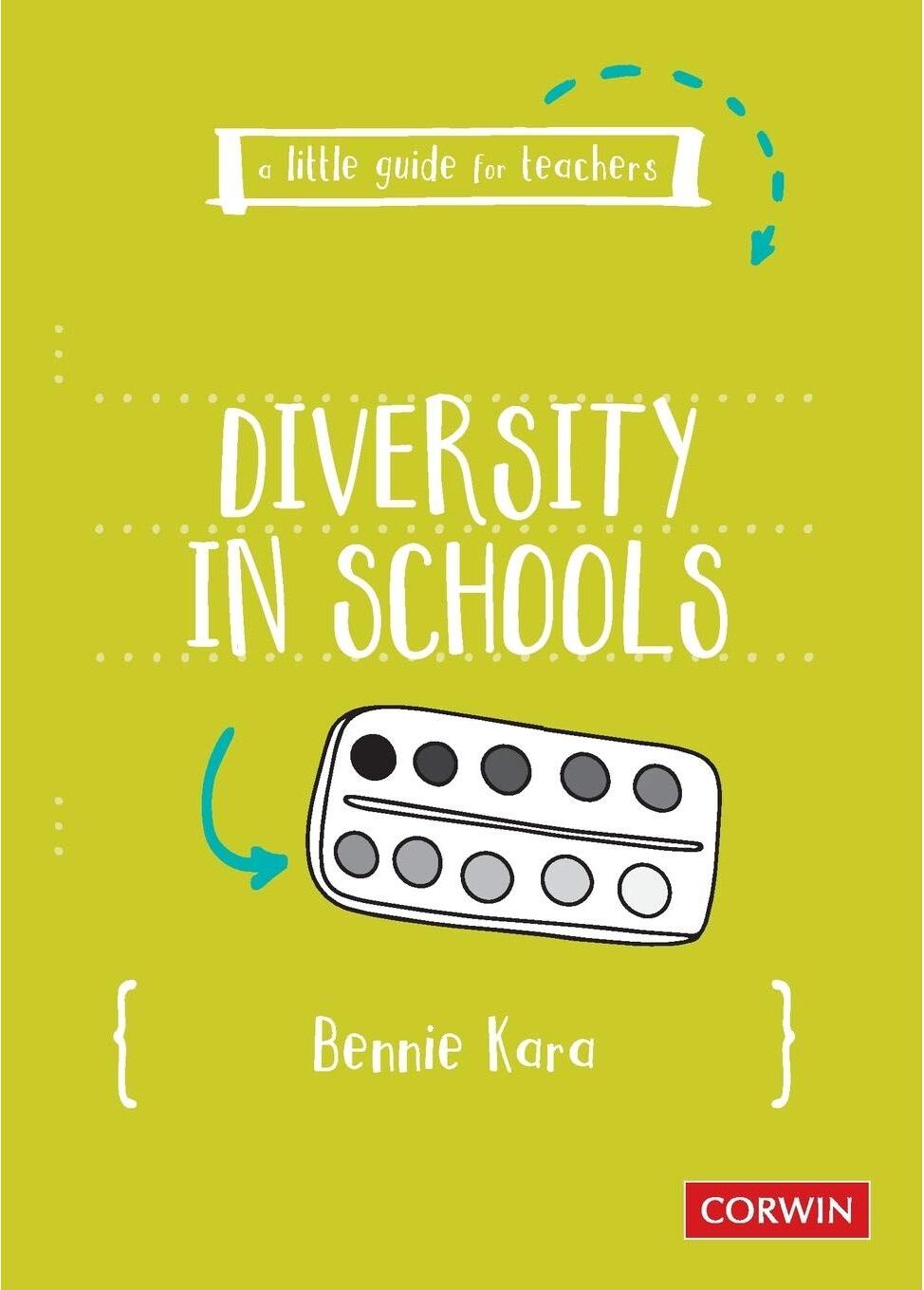
SAGE Publications A Little Guide for Teachers: Diversity in Schools (A Little Guide for Teachers)A Little Guide for Teachers: Diversity in Schools aims to provide starting points for teachers and leaders in creating a curriculum, either across disciplines or within subjects, that is as deep and diverse as their students. The Little Guide for Teachers series is little in size but BIG on all the support and inspiration you need to navigate your day to day life as a teacher. · Authored by experts in the field · Easy to dip in-and-out of · Interactive activities encourage you to write into the book and make it your own · Fun engaging illustrations throughout · Read in an afternoon or take as long as you like with it!12,99 £*Shipping: 2,99 £Secure redirect to the provider

-
What is Japan's plate tectonics?
Japan is located at the meeting point of four tectonic plates: the Pacific Plate, Philippine Sea Plate, Eurasian Plate, and North American Plate. This makes Japan one of the most seismically active regions in the world, with frequent earthquakes and volcanic activity. The movement of these plates has created the Japanese archipelago and continues to shape the landscape of the country. **
-
Why do we need plate tectonics?
Plate tectonics is essential for shaping the Earth's surface and influencing natural processes such as earthquakes, volcanic eruptions, and mountain formation. It helps to explain the distribution of continents and oceans, as well as the movement of geological features over time. Understanding plate tectonics is crucial for predicting and mitigating natural disasters, as well as for studying the Earth's history and evolution. Overall, plate tectonics provides a framework for understanding the dynamic processes that have shaped and continue to shape our planet. **
-
What is plate tectonics in geography?
Plate tectonics is the scientific theory that explains the movement and interaction of the Earth's lithosphere, which is made up of large, rigid plates that float on the semi-fluid asthenosphere beneath them. These plates are in constant motion, either moving apart, colliding, or sliding past each other, which results in various geological phenomena such as earthquakes, volcanic activity, and the formation of mountain ranges. Plate tectonics is a fundamental concept in geography as it helps to explain the distribution of landforms, the formation of natural hazards, and the evolution of the Earth's surface over time. **
-
What is the tectonics of Greenland?
Greenland is located on the North American tectonic plate, which is slowly moving westward. The island is also influenced by the movement of the Eurasian plate to the east. This tectonic activity has led to the formation of numerous geological features in Greenland, including mountains, fjords, and glaciers. Additionally, the tectonic forces have also caused significant seismic activity in the region. **


What forces are involved in plate tectonics?
Plate tectonics is driven by several forces, including mantle convection, ridge push, and slab pull. Mantle convection is the movement of hot rock in the mantle, which causes the plates to move. Ridge push occurs at mid-ocean ridges where new crust is formed and pushes the plates apart. Slab pull happens at subduction zones where denser oceanic plates sink into the mantle, pulling the rest of the plate behind it. These forces work together to drive the movement of Earth's tectonic plates. **
What is the plate tectonics of Japan?
Japan is located on the Pacific Ring of Fire, where several tectonic plates meet. The Philippine Sea Plate is subducting beneath the Eurasian Plate, causing frequent earthquakes and volcanic activity in the region. The complex tectonic setting of Japan has also led to the formation of mountain ranges and islands, making it a geologically dynamic and diverse area. **
Top-Angebote
Products related to Tectonics:
-
Uplifted Finds The Control Circle Archetype Social Worker Empowerment Canvas Executive Office & Wellness Sanctuary Decor 13 X 18 Cm No Frame"Inaugurate a grounding ""MindfulnessSanctuary"" energy in your environment with our ""Control Circle"" Archetype Canvas. This premium Social Worker and Mental Health professional print is the ultimate designer solution for creating a ""ClinicalModern"" or..."41,97 $*Shipping: 0,00 $Secure redirect to the provider
-
HARPERCOLLINS Creative Confidence by Tom & David Kelley – Unleashing Your Creative Potential & Innovation MindsetA powerful and inspiring book from the founders of IDEO, the award-winning design firm, on unleashing the creativity that lies within each and every one of us. Too often, companies and individuals assume that creativity and innovation are the domain of the ‘creative types’. But two of the foremost experts in innovation, design and creativity on the planet show us that each and every one of us is creative. In an entertaining and inspiring narrative that draws on countless stories from their work at IDEO, and with many of the world's top companies and design firms, David and Tom Kelley identify the principles and strategies that will allow us to tap into our creative potential in our work lives, and in our personal lives, allow us to think outside the box in terms of how we approach and solve problems. ‘Creative Confidence’ is a book that will help each of us be more productive and successful in our lives and in our careers.4,95 £*Shipping: 1,99 £Secure redirect to the provider
-
SAGE Publications A Little Guide for Teachers: Diversity in Schools (A Little Guide for Teachers)A Little Guide for Teachers: Diversity in Schools aims to provide starting points for teachers and leaders in creating a curriculum, either across disciplines or within subjects, that is as deep and diverse as their students. The Little Guide for Teachers series is little in size but BIG on all the support and inspiration you need to navigate your day to day life as a teacher. · Authored by experts in the field · Easy to dip in-and-out of · Interactive activities encourage you to write into the book and make it your own · Fun engaging illustrations throughout · Read in an afternoon or take as long as you like with it!12,99 £*Shipping: 2,99 £Secure redirect to the provider
-
What is the connection between evolution and plate tectonics?
The connection between evolution and plate tectonics lies in the impact of tectonic activity on the Earth's surface and the environment. Plate tectonics can create and destroy habitats, change climate patterns, and influence the distribution of species. For example, the movement of continents can lead to the isolation of populations, driving the evolution of new species. Additionally, tectonic activity can create new landmasses, which can provide opportunities for new species to evolve and diversify. Overall, plate tectonics plays a significant role in shaping the Earth's environment, which in turn influences the process of evolution. **
-
Why is plate tectonics necessary?
Plate tectonics is necessary for the Earth's geological processes and the maintenance of its habitability. It is responsible for the movement of the Earth's lithosphere, which leads to the formation of mountains, earthquakes, and volcanic activity. Additionally, plate tectonics plays a crucial role in the carbon cycle, the distribution of minerals, and the creation of new crust at mid-ocean ridges. Without plate tectonics, the Earth would lack the dynamic processes that shape its surface and regulate its internal heat, making it a much less hospitable planet. **
-
What is Japan's plate tectonics?
Japan is located at the meeting point of four tectonic plates: the Pacific Plate, Philippine Sea Plate, Eurasian Plate, and North American Plate. This makes Japan one of the most seismically active regions in the world, with frequent earthquakes and volcanic activity. The movement of these plates has created the Japanese archipelago and continues to shape the landscape of the country. **
-
Why do we need plate tectonics?
Plate tectonics is essential for shaping the Earth's surface and influencing natural processes such as earthquakes, volcanic eruptions, and mountain formation. It helps to explain the distribution of continents and oceans, as well as the movement of geological features over time. Understanding plate tectonics is crucial for predicting and mitigating natural disasters, as well as for studying the Earth's history and evolution. Overall, plate tectonics provides a framework for understanding the dynamic processes that have shaped and continue to shape our planet. **
Similar search terms for Tectonics
-
Testo Hose Connection SetHose connection set for separate gas pressure measurement testo 327 / testo 330-LL. With the pressure connection set, the flue gas measuring instruments testo 330 LL and testo 320 can be used for the measurement of gas or air pressure. The hoses are attached to the test nipples at the measurement site, and connected to the flue gas measuring instrument via the measuring instrument adapter.35,70 £*Shipping: 5,00 £Secure redirect to the provider
-
Simple Living Connection DeskThe Connection Desk by Simple Living gives you space for productivity in an attractive package. Crafted with metal legs and a laminated MDF desk top, this desk has a sleek contemporary design that will enhance your home office.79,99 $*Shipping: 0,00 $Secure redirect to the provider
-
What is plate tectonics in geography?
Plate tectonics is the scientific theory that explains the movement and interaction of the Earth's lithosphere, which is made up of large, rigid plates that float on the semi-fluid asthenosphere beneath them. These plates are in constant motion, either moving apart, colliding, or sliding past each other, which results in various geological phenomena such as earthquakes, volcanic activity, and the formation of mountain ranges. Plate tectonics is a fundamental concept in geography as it helps to explain the distribution of landforms, the formation of natural hazards, and the evolution of the Earth's surface over time. **
-
What is the tectonics of Greenland?
Greenland is located on the North American tectonic plate, which is slowly moving westward. The island is also influenced by the movement of the Eurasian plate to the east. This tectonic activity has led to the formation of numerous geological features in Greenland, including mountains, fjords, and glaciers. Additionally, the tectonic forces have also caused significant seismic activity in the region. **
-
What forces are involved in plate tectonics?
Plate tectonics is driven by several forces, including mantle convection, ridge push, and slab pull. Mantle convection is the movement of hot rock in the mantle, which causes the plates to move. Ridge push occurs at mid-ocean ridges where new crust is formed and pushes the plates apart. Slab pull happens at subduction zones where denser oceanic plates sink into the mantle, pulling the rest of the plate behind it. These forces work together to drive the movement of Earth's tectonic plates. **
-
What is the plate tectonics of Japan?
Japan is located on the Pacific Ring of Fire, where several tectonic plates meet. The Philippine Sea Plate is subducting beneath the Eurasian Plate, causing frequent earthquakes and volcanic activity in the region. The complex tectonic setting of Japan has also led to the formation of mountain ranges and islands, making it a geologically dynamic and diverse area. **
* All prices are inclusive of VAT and, if applicable, plus shipping costs. The offer information is based on the details provided by the respective shop and is updated through automated processes. Real-time updates do not occur, so deviations can occur in individual cases. ** Note: Parts of this content were created by AI.