Buy eell.eu ?
We are moving the project
eell.eu .
Are you interested in purchasing the domain
eell.eu ?
domain@kv-gmbh.de · 0541-91531010
Buy eell.eu ?
What does the line "lightly yielding" mean in Rheingold?
In Rheingold, the line "lightly yielding" refers to the gentle and flexible nature of the Rhine maidens as they swim and play in the river. It suggests a sense of grace and fluidity in their movements, as they effortlessly navigate the water. This phrase captures the delicate and ethereal quality of the Rhine maidens as they interact with each other and the world around them. **
What is the rule for yielding at T-intersections?
At a T-intersection, the vehicle on the road that ends must yield to vehicles on the road that continues. In other words, if you are approaching a T-intersection and there is no stop sign or traffic signal, you must yield to vehicles on the through road. This allows for a smooth flow of traffic and prevents potential accidents at the intersection. Always be cautious and yield to oncoming traffic to ensure safe and efficient travel through T-intersections. **


Similar search terms for Yielding
Top-Angebote
Products related to Yielding:
-
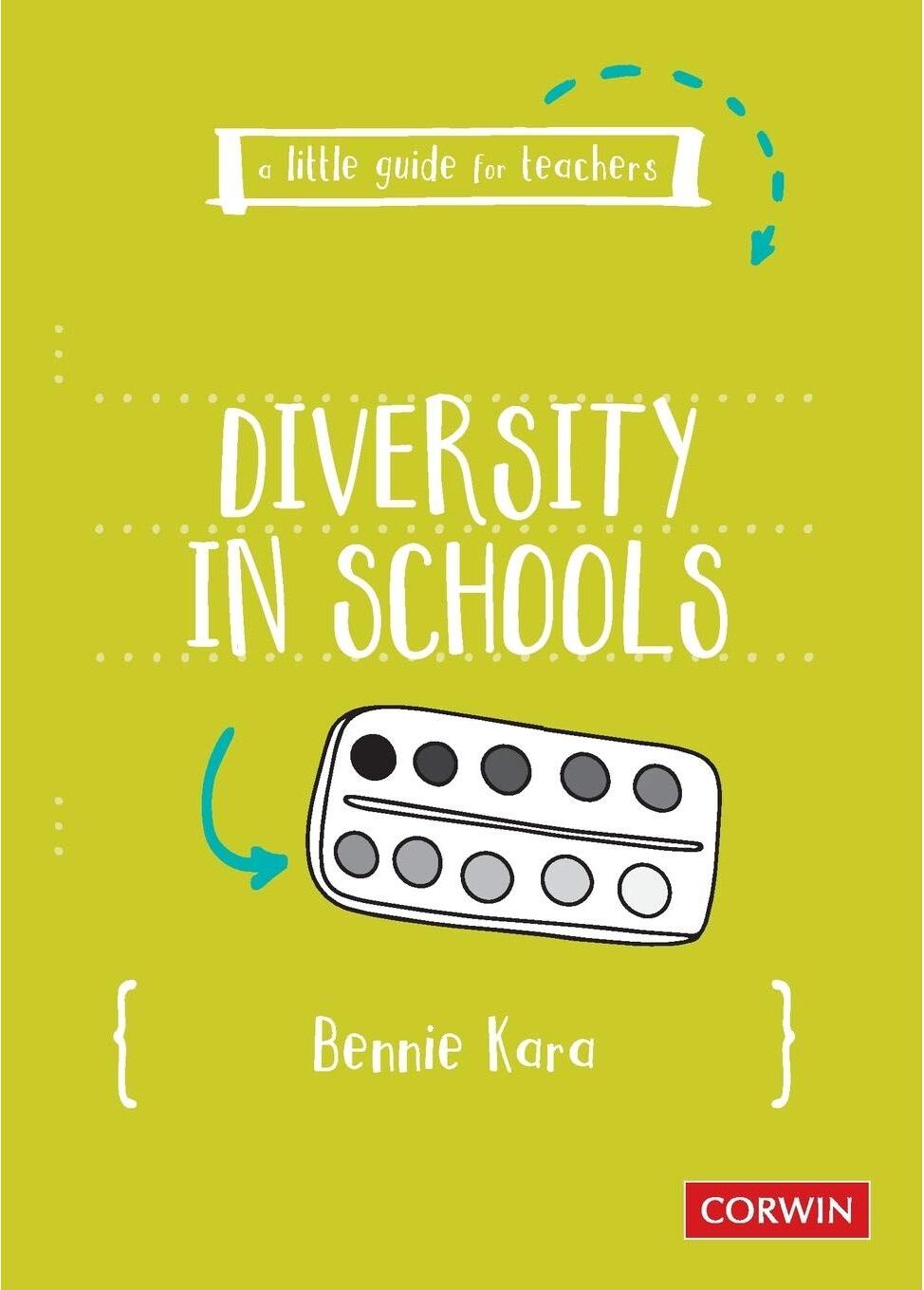
SAGE Publications A Little Guide for Teachers: Diversity in Schools (A Little Guide for Teachers)A Little Guide for Teachers: Diversity in Schools aims to provide starting points for teachers and leaders in creating a curriculum, either across disciplines or within subjects, that is as deep and diverse as their students. The Little Guide for Teachers series is little in size but BIG on all the support and inspiration you need to navigate your day to day life as a teacher. · Authored by experts in the field · Easy to dip in-and-out of · Interactive activities encourage you to write into the book and make it your own · Fun engaging illustrations throughout · Read in an afternoon or take as long as you like with it!12,99 £*Shipping: 2,99 £Secure redirect to the provider


-
What is yielding the haunches and how does it work?
Yielding the haunches is a training exercise in which the horse moves its hindquarters away from the rider's leg aid. This is achieved by applying pressure with the rider's inside leg and asking the horse to step its hind legs away from the pressure. This exercise helps to improve the horse's balance, flexibility, and responsiveness to the rider's aids. It also helps to engage the horse's hind end and encourage straightness in its movement. **
-
How do I teach my horse to do leg yielding?
To teach your horse to leg yield, start by establishing a good connection and rhythm in the walk. Then, ask your horse to move away from your leg pressure by applying light pressure with your inside leg at the girth and asking your horse to move sideways while maintaining forward movement. Use your outside rein to guide your horse's shoulders in the direction of the movement. Be patient and consistent with your aids, and reward your horse for any effort in the right direction. Gradually increase the difficulty by asking for more angle and maintaining the rhythm and connection throughout the movement. **
-
Do cyclists have the right of way at roundabouts, despite yielding?
Cyclists do not have an automatic right of way at roundabouts, even though they are required to yield to other vehicles. In most cases, cyclists are expected to follow the same rules as other vehicles and yield to traffic already in the roundabout. It is important for cyclists to be cautious and aware of their surroundings when navigating roundabouts to ensure their safety and the safety of others. **
-
How is the weight shifting done in leg yielding and shoulder-in?
In leg yielding, the weight shifting is done by asking the horse to move sideways while keeping the shoulders and hindquarters parallel to the track. The rider applies more weight and leg aids on the side they want the horse to move towards, encouraging the horse to step sideways. In shoulder-in, the weight shifting is achieved by asking the horse to move its shoulders inwards towards the inside of the arena, while the hindquarters remain on the track. The rider uses inside leg and rein aids to create the bend and encourage the horse to shift its weight onto the inside hind leg. **

How is the weight shift done in leg yielding and shoulder-in?
In leg yielding, the weight shift is achieved by asking the horse to move its body sideways while maintaining a straight line from the poll to the tail. This requires the horse to shift its weight onto the outside hind leg while crossing its inside hind leg in front of the outside hind leg. In shoulder-in, the weight shift is achieved by asking the horse to move its shoulders inwards while maintaining a straight line from the poll to the tail. This requires the horse to shift its weight onto the inside hind leg while crossing its inside front leg in front of the outside front leg. Both movements require the horse to engage its hindquarters and maintain balance and straightness. **
Why does the ground work work well with yielding, but there is trouble with sending away?
The ground work works well with yielding because it involves being open and receptive to the energy and force of the opponent, allowing the practitioner to redirect and neutralize the incoming attack. On the other hand, sending away requires a more forceful and aggressive approach, which can be more challenging to execute effectively without causing harm to the opponent. Additionally, sending away may require more strength and precision, making it more difficult to perform successfully compared to yielding. **
Top-Angebote
Products related to Yielding:
-
Uplifted Finds The Control Circle Archetype Social Worker Empowerment Canvas Executive Office & Wellness Sanctuary Decor 13 X 18 Cm No Frame"Inaugurate a grounding ""MindfulnessSanctuary"" energy in your environment with our ""Control Circle"" Archetype Canvas. This premium Social Worker and Mental Health professional print is the ultimate designer solution for creating a ""ClinicalModern"" or..."41,97 $*Shipping: 0,00 $Secure redirect to the provider
-
HARPERCOLLINS Creative Confidence by Tom & David Kelley – Unleashing Your Creative Potential & Innovation MindsetA powerful and inspiring book from the founders of IDEO, the award-winning design firm, on unleashing the creativity that lies within each and every one of us. Too often, companies and individuals assume that creativity and innovation are the domain of the ‘creative types’. But two of the foremost experts in innovation, design and creativity on the planet show us that each and every one of us is creative. In an entertaining and inspiring narrative that draws on countless stories from their work at IDEO, and with many of the world's top companies and design firms, David and Tom Kelley identify the principles and strategies that will allow us to tap into our creative potential in our work lives, and in our personal lives, allow us to think outside the box in terms of how we approach and solve problems. ‘Creative Confidence’ is a book that will help each of us be more productive and successful in our lives and in our careers.4,95 £*Shipping: 1,99 £Secure redirect to the provider
-
SAGE Publications A Little Guide for Teachers: Diversity in Schools (A Little Guide for Teachers)A Little Guide for Teachers: Diversity in Schools aims to provide starting points for teachers and leaders in creating a curriculum, either across disciplines or within subjects, that is as deep and diverse as their students. The Little Guide for Teachers series is little in size but BIG on all the support and inspiration you need to navigate your day to day life as a teacher. · Authored by experts in the field · Easy to dip in-and-out of · Interactive activities encourage you to write into the book and make it your own · Fun engaging illustrations throughout · Read in an afternoon or take as long as you like with it!12,99 £*Shipping: 2,99 £Secure redirect to the provider
-
What does the line "lightly yielding" mean in Rheingold?
In Rheingold, the line "lightly yielding" refers to the gentle and flexible nature of the Rhine maidens as they swim and play in the river. It suggests a sense of grace and fluidity in their movements, as they effortlessly navigate the water. This phrase captures the delicate and ethereal quality of the Rhine maidens as they interact with each other and the world around them. **
-
What is the rule for yielding at T-intersections?
At a T-intersection, the vehicle on the road that ends must yield to vehicles on the road that continues. In other words, if you are approaching a T-intersection and there is no stop sign or traffic signal, you must yield to vehicles on the through road. This allows for a smooth flow of traffic and prevents potential accidents at the intersection. Always be cautious and yield to oncoming traffic to ensure safe and efficient travel through T-intersections. **
-
What is yielding the haunches and how does it work?
Yielding the haunches is a training exercise in which the horse moves its hindquarters away from the rider's leg aid. This is achieved by applying pressure with the rider's inside leg and asking the horse to step its hind legs away from the pressure. This exercise helps to improve the horse's balance, flexibility, and responsiveness to the rider's aids. It also helps to engage the horse's hind end and encourage straightness in its movement. **
-
How do I teach my horse to do leg yielding?
To teach your horse to leg yield, start by establishing a good connection and rhythm in the walk. Then, ask your horse to move away from your leg pressure by applying light pressure with your inside leg at the girth and asking your horse to move sideways while maintaining forward movement. Use your outside rein to guide your horse's shoulders in the direction of the movement. Be patient and consistent with your aids, and reward your horse for any effort in the right direction. Gradually increase the difficulty by asking for more angle and maintaining the rhythm and connection throughout the movement. **
Similar search terms for Yielding
-
Testo Hose Connection SetHose connection set for separate gas pressure measurement testo 327 / testo 330-LL. With the pressure connection set, the flue gas measuring instruments testo 330 LL and testo 320 can be used for the measurement of gas or air pressure. The hoses are attached to the test nipples at the measurement site, and connected to the flue gas measuring instrument via the measuring instrument adapter.35,70 £*Shipping: 5,00 £Secure redirect to the provider
-
Simple Living Connection DeskThe Connection Desk by Simple Living gives you space for productivity in an attractive package. Crafted with metal legs and a laminated MDF desk top, this desk has a sleek contemporary design that will enhance your home office.79,99 $*Shipping: 0,00 $Secure redirect to the provider
-
Do cyclists have the right of way at roundabouts, despite yielding?
Cyclists do not have an automatic right of way at roundabouts, even though they are required to yield to other vehicles. In most cases, cyclists are expected to follow the same rules as other vehicles and yield to traffic already in the roundabout. It is important for cyclists to be cautious and aware of their surroundings when navigating roundabouts to ensure their safety and the safety of others. **
-
How is the weight shifting done in leg yielding and shoulder-in?
In leg yielding, the weight shifting is done by asking the horse to move sideways while keeping the shoulders and hindquarters parallel to the track. The rider applies more weight and leg aids on the side they want the horse to move towards, encouraging the horse to step sideways. In shoulder-in, the weight shifting is achieved by asking the horse to move its shoulders inwards towards the inside of the arena, while the hindquarters remain on the track. The rider uses inside leg and rein aids to create the bend and encourage the horse to shift its weight onto the inside hind leg. **
-
How is the weight shift done in leg yielding and shoulder-in?
In leg yielding, the weight shift is achieved by asking the horse to move its body sideways while maintaining a straight line from the poll to the tail. This requires the horse to shift its weight onto the outside hind leg while crossing its inside hind leg in front of the outside hind leg. In shoulder-in, the weight shift is achieved by asking the horse to move its shoulders inwards while maintaining a straight line from the poll to the tail. This requires the horse to shift its weight onto the inside hind leg while crossing its inside front leg in front of the outside front leg. Both movements require the horse to engage its hindquarters and maintain balance and straightness. **
-
Why does the ground work work well with yielding, but there is trouble with sending away?
The ground work works well with yielding because it involves being open and receptive to the energy and force of the opponent, allowing the practitioner to redirect and neutralize the incoming attack. On the other hand, sending away requires a more forceful and aggressive approach, which can be more challenging to execute effectively without causing harm to the opponent. Additionally, sending away may require more strength and precision, making it more difficult to perform successfully compared to yielding. **
* All prices are inclusive of VAT and, if applicable, plus shipping costs. The offer information is based on the details provided by the respective shop and is updated through automated processes. Real-time updates do not occur, so deviations can occur in individual cases. ** Note: Parts of this content were created by AI.