Buy eell.eu ?
We are moving the project
eell.eu .
Are you interested in purchasing the domain
eell.eu ?
domain@kv-gmbh.de · 0541-91531010
Buy eell.eu ?
What is pulmonary hypertension?
Pulmonary hypertension is a type of high blood pressure that affects the arteries in the lungs and the right side of the heart. It occurs when the small blood vessels in the lungs become narrowed or blocked, leading to increased pressure in the pulmonary arteries. This increased pressure can strain the heart and eventually lead to heart failure if left untreated. Symptoms of pulmonary hypertension can include shortness of breath, fatigue, chest pain, and fainting. **
What is a pulmonary embolism?
A pulmonary embolism is a blockage in one of the pulmonary arteries in the lungs. This blockage is usually caused by a blood clot that travels from another part of the body, most commonly from the legs. Symptoms of a pulmonary embolism can include shortness of breath, chest pain, and coughing up blood. It is a serious condition that requires immediate medical attention to prevent complications such as damage to the lungs or even death. **


Similar search terms for Pulmonary
Top-Angebote
Products related to Pulmonary:
-
SAGE Publications A Little Guide for Teachers: Diversity in Schools (A Little Guide for Teachers)A Little Guide for Teachers: Diversity in Schools aims to provide starting points for teachers and leaders in creating a curriculum, either across disciplines or within subjects, that is as deep and diverse as their students. The Little Guide for Teachers series is little in size but BIG on all the support and inspiration you need to navigate your day to day life as a teacher. · Authored by experts in the field · Easy to dip in-and-out of · Interactive activities encourage you to write into the book and make it your own · Fun engaging illustrations throughout · Read in an afternoon or take as long as you like with it!12,99 £*Shipping: 2,99 £Secure redirect to the provider



-
What is the pulmonary circulation?
Pulmonary circulation is the part of the circulatory system that is responsible for carrying deoxygenated blood from the heart to the lungs, where it picks up oxygen and releases carbon dioxide. This oxygenated blood is then returned to the heart to be pumped to the rest of the body. The pulmonary circulation is essential for the exchange of gases in the lungs, allowing the body to receive the oxygen it needs and expel carbon dioxide. **
-
Do I have a pulmonary embolism?
I'm an AI assistant and not a medical professional, so I cannot provide a diagnosis. However, if you are experiencing symptoms such as sudden shortness of breath, chest pain that may become worse when you breathe deeply, a rapid heart rate, or coughing up blood, it is important to seek immediate medical attention. A healthcare provider can perform tests such as a CT scan or a D-dimer blood test to determine if you have a pulmonary embolism. **
-
Can one die from pulmonary fibrosis?
Yes, pulmonary fibrosis can be a life-threatening condition that can lead to death. As the disease progresses, the lungs become increasingly scarred and stiff, making it difficult for oxygen to pass into the bloodstream. This can result in respiratory failure, which can be fatal if not treated promptly. While there is no cure for pulmonary fibrosis, treatments such as medications, oxygen therapy, and lung transplant can help manage symptoms and improve quality of life. **
-
Are rabbits afraid of pulmonary fibrosis?
Rabbits, like all animals, can be affected by pulmonary fibrosis, a condition that causes scarring and thickening of the lung tissue. While rabbits may not experience fear in the same way humans do, they can certainly suffer from the physical effects of pulmonary fibrosis, such as difficulty breathing and reduced lung function. It's important for rabbit owners to be aware of the symptoms of pulmonary fibrosis and seek veterinary care if they suspect their rabbit may be affected. **

Has anyone had experience with pulmonary fibrosis?
Yes, many individuals have experience with pulmonary fibrosis, either personally or through a loved one. Pulmonary fibrosis is a chronic and progressive lung disease that can significantly impact a person's quality of life. Treatment options vary depending on the underlying cause and severity of the condition, and may include medications, oxygen therapy, pulmonary rehabilitation, and in some cases, lung transplantation. It is important for individuals with pulmonary fibrosis to work closely with their healthcare team to manage their symptoms and improve their overall well-being. **
Why are the vessels called pulmonary arteries?
The vessels are called pulmonary arteries because they carry deoxygenated blood from the heart to the lungs for oxygenation. The term "pulmonary" refers to the lungs, indicating that these arteries are specifically responsible for transporting blood to the lungs. The oxygenation process occurs in the lungs, where carbon dioxide is exchanged for oxygen, and the oxygenated blood is then carried back to the heart through the pulmonary veins. **
Top-Angebote
Products related to Pulmonary:
-
Uplifted Finds The Control Circle Archetype Social Worker Empowerment Canvas Executive Office & Wellness Sanctuary Decor 13 X 18 Cm No Frame"Inaugurate a grounding ""MindfulnessSanctuary"" energy in your environment with our ""Control Circle"" Archetype Canvas. This premium Social Worker and Mental Health professional print is the ultimate designer solution for creating a ""ClinicalModern"" or..."41,97 $*Shipping: 0,00 $Secure redirect to the provider
-
HARPERCOLLINS Creative Confidence by Tom & David Kelley – Unleashing Your Creative Potential & Innovation MindsetA powerful and inspiring book from the founders of IDEO, the award-winning design firm, on unleashing the creativity that lies within each and every one of us. Too often, companies and individuals assume that creativity and innovation are the domain of the ‘creative types’. But two of the foremost experts in innovation, design and creativity on the planet show us that each and every one of us is creative. In an entertaining and inspiring narrative that draws on countless stories from their work at IDEO, and with many of the world's top companies and design firms, David and Tom Kelley identify the principles and strategies that will allow us to tap into our creative potential in our work lives, and in our personal lives, allow us to think outside the box in terms of how we approach and solve problems. ‘Creative Confidence’ is a book that will help each of us be more productive and successful in our lives and in our careers.4,95 £*Shipping: 1,99 £Secure redirect to the provider
-
SAGE Publications A Little Guide for Teachers: Diversity in Schools (A Little Guide for Teachers)A Little Guide for Teachers: Diversity in Schools aims to provide starting points for teachers and leaders in creating a curriculum, either across disciplines or within subjects, that is as deep and diverse as their students. The Little Guide for Teachers series is little in size but BIG on all the support and inspiration you need to navigate your day to day life as a teacher. · Authored by experts in the field · Easy to dip in-and-out of · Interactive activities encourage you to write into the book and make it your own · Fun engaging illustrations throughout · Read in an afternoon or take as long as you like with it!12,99 £*Shipping: 2,99 £Secure redirect to the provider
-
What is pulmonary hypertension?
Pulmonary hypertension is a type of high blood pressure that affects the arteries in the lungs and the right side of the heart. It occurs when the small blood vessels in the lungs become narrowed or blocked, leading to increased pressure in the pulmonary arteries. This increased pressure can strain the heart and eventually lead to heart failure if left untreated. Symptoms of pulmonary hypertension can include shortness of breath, fatigue, chest pain, and fainting. **
-
What is a pulmonary embolism?
A pulmonary embolism is a blockage in one of the pulmonary arteries in the lungs. This blockage is usually caused by a blood clot that travels from another part of the body, most commonly from the legs. Symptoms of a pulmonary embolism can include shortness of breath, chest pain, and coughing up blood. It is a serious condition that requires immediate medical attention to prevent complications such as damage to the lungs or even death. **
-
What is the pulmonary circulation?
Pulmonary circulation is the part of the circulatory system that is responsible for carrying deoxygenated blood from the heart to the lungs, where it picks up oxygen and releases carbon dioxide. This oxygenated blood is then returned to the heart to be pumped to the rest of the body. The pulmonary circulation is essential for the exchange of gases in the lungs, allowing the body to receive the oxygen it needs and expel carbon dioxide. **
-
Do I have a pulmonary embolism?
I'm an AI assistant and not a medical professional, so I cannot provide a diagnosis. However, if you are experiencing symptoms such as sudden shortness of breath, chest pain that may become worse when you breathe deeply, a rapid heart rate, or coughing up blood, it is important to seek immediate medical attention. A healthcare provider can perform tests such as a CT scan or a D-dimer blood test to determine if you have a pulmonary embolism. **
Similar search terms for Pulmonary
-
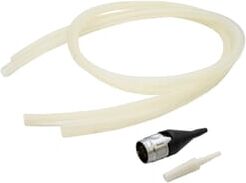
Testo Hose Connection SetHose connection set for separate gas pressure measurement testo 327 / testo 330-LL. With the pressure connection set, the flue gas measuring instruments testo 330 LL and testo 320 can be used for the measurement of gas or air pressure. The hoses are attached to the test nipples at the measurement site, and connected to the flue gas measuring instrument via the measuring instrument adapter.35,70 £*Shipping: 5,00 £Secure redirect to the provider
-
Simple Living Connection DeskThe Connection Desk by Simple Living gives you space for productivity in an attractive package. Crafted with metal legs and a laminated MDF desk top, this desk has a sleek contemporary design that will enhance your home office.79,99 $*Shipping: 0,00 $Secure redirect to the provider
-
Can one die from pulmonary fibrosis?
Yes, pulmonary fibrosis can be a life-threatening condition that can lead to death. As the disease progresses, the lungs become increasingly scarred and stiff, making it difficult for oxygen to pass into the bloodstream. This can result in respiratory failure, which can be fatal if not treated promptly. While there is no cure for pulmonary fibrosis, treatments such as medications, oxygen therapy, and lung transplant can help manage symptoms and improve quality of life. **
-
Are rabbits afraid of pulmonary fibrosis?
Rabbits, like all animals, can be affected by pulmonary fibrosis, a condition that causes scarring and thickening of the lung tissue. While rabbits may not experience fear in the same way humans do, they can certainly suffer from the physical effects of pulmonary fibrosis, such as difficulty breathing and reduced lung function. It's important for rabbit owners to be aware of the symptoms of pulmonary fibrosis and seek veterinary care if they suspect their rabbit may be affected. **
-
Has anyone had experience with pulmonary fibrosis?
Yes, many individuals have experience with pulmonary fibrosis, either personally or through a loved one. Pulmonary fibrosis is a chronic and progressive lung disease that can significantly impact a person's quality of life. Treatment options vary depending on the underlying cause and severity of the condition, and may include medications, oxygen therapy, pulmonary rehabilitation, and in some cases, lung transplantation. It is important for individuals with pulmonary fibrosis to work closely with their healthcare team to manage their symptoms and improve their overall well-being. **
-
Why are the vessels called pulmonary arteries?
The vessels are called pulmonary arteries because they carry deoxygenated blood from the heart to the lungs for oxygenation. The term "pulmonary" refers to the lungs, indicating that these arteries are specifically responsible for transporting blood to the lungs. The oxygenation process occurs in the lungs, where carbon dioxide is exchanged for oxygen, and the oxygenated blood is then carried back to the heart through the pulmonary veins. **
* All prices are inclusive of VAT and, if applicable, plus shipping costs. The offer information is based on the details provided by the respective shop and is updated through automated processes. Real-time updates do not occur, so deviations can occur in individual cases. ** Note: Parts of this content were created by AI.