Buy eell.eu ?
We are moving the project
eell.eu .
Are you interested in purchasing the domain
eell.eu ?
domain@kv-gmbh.de · 0541-91531010
Buy eell.eu ?
Will my Sansevieria survive?
Sansevierias, also known as snake plants, are known for their hardiness and ability to survive in various conditions. They are low-maintenance plants that can tolerate low light, infrequent watering, and neglect. As long as your Sansevieria is not overwatered and receives some indirect light, it is likely to survive and thrive. Just make sure to avoid placing it in extremely low light conditions or overwatering, as these can lead to issues such as root rot. **
Is this transformation realistic and natural?
Yes, this transformation is realistic and natural. The process of a caterpillar transforming into a butterfly through metamorphosis is a well-documented and scientifically proven phenomenon in nature. It involves distinct stages of development, including the formation of a chrysalis and the complete restructuring of the caterpillar's body into a butterfly. This transformation is a fundamental part of the life cycle of many insect species and is essential for their survival and reproduction. **
Similar search terms for Nearly-Natural-5-Sansevieria
Top-Angebote
Products related to Nearly-Natural-5-Sansevieria:
-
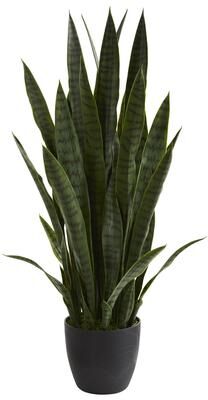
Nearly Natural "38"" Sansevieria Artificial Plant - Green"The sansevieria artificial plant, sometimes referred to as tongue, is a fun gathering of straight-edged leaves that appear to be growing right out of the dirt. With dark green stripes accenting each leaf, this is a unique and eye-catching piece.118,85 $*Shipping: 0,00 $Secure redirect to the provider


-
How do you properly care for a Sansevieria plant?
To properly care for a Sansevieria plant, it is important to place it in a location with bright, indirect sunlight. Water the plant sparingly, allowing the soil to dry out between waterings to prevent root rot. Sansevierias prefer well-draining soil, so make sure the pot has drainage holes. Additionally, wipe the leaves with a damp cloth occasionally to remove dust and keep them looking healthy. **
-
What is the condition of the leaves of Sansevieria?
The leaves of Sansevieria are typically long, stiff, and sword-shaped, with a pointed tip. They are usually a vibrant green color, with some varieties having variegated patterns of yellow or white. The leaves are also smooth and have a waxy texture, giving them a glossy appearance. Overall, the leaves of Sansevieria are healthy and resilient, making them a popular choice for indoor plants. **
-
Does genetic drift increase or reduce natural diversity?
Genetic drift can both increase and reduce natural diversity. In small populations, genetic drift can lead to the loss of genetic variation, reducing diversity. However, in larger populations, genetic drift can also lead to the fixation of new mutations, increasing diversity. Overall, the impact of genetic drift on natural diversity depends on the size of the population and the specific genetic changes that occur. **
-
How does a natural bicep transformation occur?
A natural bicep transformation occurs through consistent and progressive resistance training. By regularly challenging the bicep muscles with exercises like curls, chin-ups, and rows, the muscle fibers undergo microscopic damage and repair, leading to muscle growth and strength development. Adequate nutrition and rest are also essential for the muscles to recover and grow. Over time, with dedication and proper training techniques, the biceps can naturally transform and increase in size and definition. **
What is the normal speed at 5 gears and nearly 4000 revolutions per minute?
The normal speed at 5 gears and nearly 4000 revolutions per minute can vary depending on the specific vehicle and its gear ratios. However, in general, at 4000 revolutions per minute in 5th gear, a typical car might be traveling at highway speeds, which can range from 55 mph to 75 mph or more. It is important to consult the specific vehicle's manual or contact the manufacturer for the most accurate information on speed at different RPM levels in each gear. **
What can I do if my snake plant (Sansevieria) looks sick?
If your snake plant looks sick, there are a few things you can do to help it recover. First, check the soil to make sure it's not too wet or too dry, as improper watering can lead to issues like root rot or dehydration. If the soil is too wet, allow it to dry out before watering again, and if it's too dry, water the plant thoroughly. Additionally, make sure the plant is receiving the right amount of light - snake plants prefer bright, indirect light. If the leaves are discolored or drooping, it may be a sign of too much or too little light. Finally, consider repotting the plant if it's become rootbound, and remove any dead or yellowing leaves to encourage new growth. **
Top-Angebote
Products related to Nearly-Natural-5-Sansevieria:
-
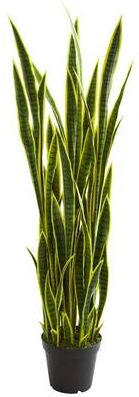
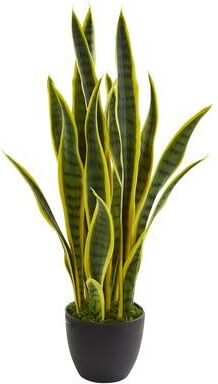
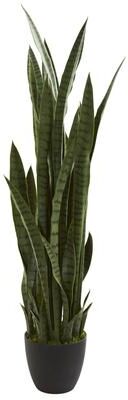
Nearly Natural 5' Sansevieria Artificial PlantInclude this lifelike Sansevieria plant in your home or office to create a nature-inspired theme. This artificial plant comes with a black pot that keeps it stable and provides a nice contrast with the green leaves.206,63 $*Shipping: 0,00 $Secure redirect to the provider
-
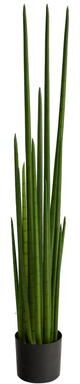
Nearly Natural 5' Sansevieria Snake Artificial PlantZZZ, this artificial snake plant is sure to complement your décor. Inspired by nature, staccato long fronds with naturally occurring detail arch upwards. If you're into a minimalist lifestyle, you will fall for this artificial plant.249,99 $*Shipping: 0,00 $Secure redirect to the provider
-
Will my Sansevieria survive?
Sansevierias, also known as snake plants, are known for their hardiness and ability to survive in various conditions. They are low-maintenance plants that can tolerate low light, infrequent watering, and neglect. As long as your Sansevieria is not overwatered and receives some indirect light, it is likely to survive and thrive. Just make sure to avoid placing it in extremely low light conditions or overwatering, as these can lead to issues such as root rot. **
-
Is this transformation realistic and natural?
Yes, this transformation is realistic and natural. The process of a caterpillar transforming into a butterfly through metamorphosis is a well-documented and scientifically proven phenomenon in nature. It involves distinct stages of development, including the formation of a chrysalis and the complete restructuring of the caterpillar's body into a butterfly. This transformation is a fundamental part of the life cycle of many insect species and is essential for their survival and reproduction. **
-
How do you properly care for a Sansevieria plant?
To properly care for a Sansevieria plant, it is important to place it in a location with bright, indirect sunlight. Water the plant sparingly, allowing the soil to dry out between waterings to prevent root rot. Sansevierias prefer well-draining soil, so make sure the pot has drainage holes. Additionally, wipe the leaves with a damp cloth occasionally to remove dust and keep them looking healthy. **
-
What is the condition of the leaves of Sansevieria?
The leaves of Sansevieria are typically long, stiff, and sword-shaped, with a pointed tip. They are usually a vibrant green color, with some varieties having variegated patterns of yellow or white. The leaves are also smooth and have a waxy texture, giving them a glossy appearance. Overall, the leaves of Sansevieria are healthy and resilient, making them a popular choice for indoor plants. **
Similar search terms for Nearly-Natural-5-Sansevieria
-
Nearly Natural "38"" Sansevieria Artificial Plant - Green"The sansevieria artificial plant, sometimes referred to as tongue, is a fun gathering of straight-edged leaves that appear to be growing right out of the dirt. With dark green stripes accenting each leaf, this is a unique and eye-catching piece.118,85 $*Shipping: 0,00 $Secure redirect to the provider
-
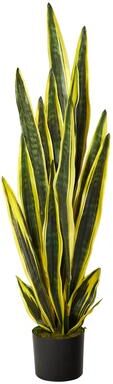
Nearly Natural "26"" Sansevieria Artificial Plant - Green"Bring a unique and bright look to your home with this artificial sansevieria plant. The flat green leaves are striped and have a ring of yellow lining the outside, making this a great statement piece.74,49 $*Shipping: 0,00 $Secure redirect to the provider
-
Does genetic drift increase or reduce natural diversity?
Genetic drift can both increase and reduce natural diversity. In small populations, genetic drift can lead to the loss of genetic variation, reducing diversity. However, in larger populations, genetic drift can also lead to the fixation of new mutations, increasing diversity. Overall, the impact of genetic drift on natural diversity depends on the size of the population and the specific genetic changes that occur. **
-
How does a natural bicep transformation occur?
A natural bicep transformation occurs through consistent and progressive resistance training. By regularly challenging the bicep muscles with exercises like curls, chin-ups, and rows, the muscle fibers undergo microscopic damage and repair, leading to muscle growth and strength development. Adequate nutrition and rest are also essential for the muscles to recover and grow. Over time, with dedication and proper training techniques, the biceps can naturally transform and increase in size and definition. **
-
What is the normal speed at 5 gears and nearly 4000 revolutions per minute?
The normal speed at 5 gears and nearly 4000 revolutions per minute can vary depending on the specific vehicle and its gear ratios. However, in general, at 4000 revolutions per minute in 5th gear, a typical car might be traveling at highway speeds, which can range from 55 mph to 75 mph or more. It is important to consult the specific vehicle's manual or contact the manufacturer for the most accurate information on speed at different RPM levels in each gear. **
-
What can I do if my snake plant (Sansevieria) looks sick?
If your snake plant looks sick, there are a few things you can do to help it recover. First, check the soil to make sure it's not too wet or too dry, as improper watering can lead to issues like root rot or dehydration. If the soil is too wet, allow it to dry out before watering again, and if it's too dry, water the plant thoroughly. Additionally, make sure the plant is receiving the right amount of light - snake plants prefer bright, indirect light. If the leaves are discolored or drooping, it may be a sign of too much or too little light. Finally, consider repotting the plant if it's become rootbound, and remove any dead or yellowing leaves to encourage new growth. **
* All prices are inclusive of VAT and, if applicable, plus shipping costs. The offer information is based on the details provided by the respective shop and is updated through automated processes. Real-time updates do not occur, so deviations can occur in individual cases. ** Note: Parts of this content were created by AI.