Buy eell.eu ?
We are moving the project
eell.eu .
Are you interested in purchasing the domain
eell.eu ?
domain@kv-gmbh.de · 0541-91531010
Buy eell.eu ?
What is a monoculture?
A monoculture is a farming practice where only one type of crop is grown in a large area of land. This can lead to a lack of biodiversity and can make the crops more susceptible to pests and diseases. Monocultures are often used in industrial agriculture to maximize efficiency and yield, but they can have negative impacts on the environment and food security. **
Why are there disadvantages to monoculture?
Monoculture, the practice of growing a single crop over a large area, can lead to several disadvantages. One major drawback is the increased vulnerability to pests and diseases, as the lack of crop diversity makes it easier for these threats to spread rapidly and devastate the entire crop. Monoculture also depletes the soil of specific nutrients, leading to decreased soil fertility over time. Additionally, monoculture can have negative impacts on biodiversity, as it reduces the variety of plant and animal species in the area. **


Similar search terms for Monoculture
Top-Angebote
Products related to Monoculture:
-
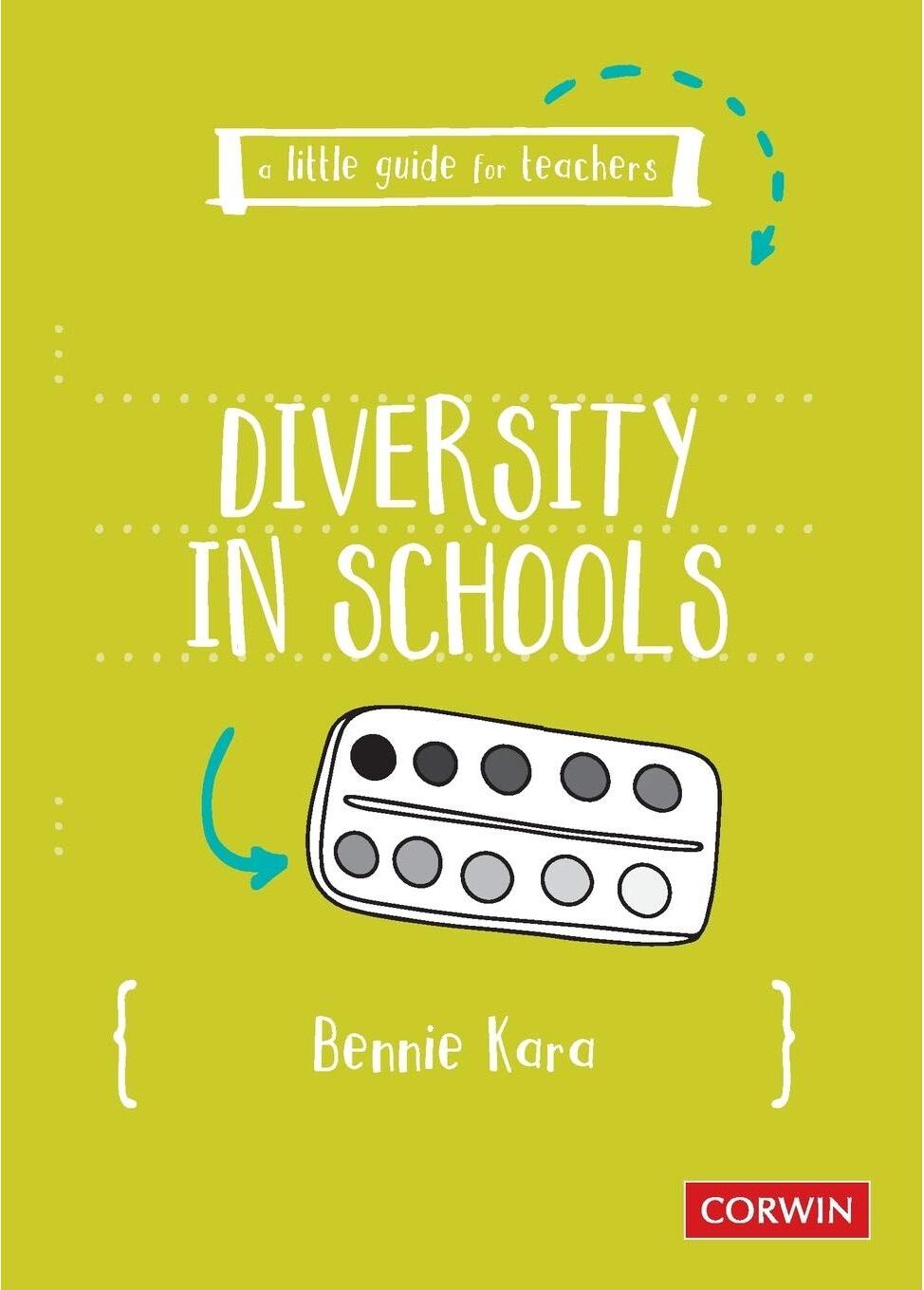
SAGE Publications A Little Guide for Teachers: Diversity in Schools (A Little Guide for Teachers)A Little Guide for Teachers: Diversity in Schools aims to provide starting points for teachers and leaders in creating a curriculum, either across disciplines or within subjects, that is as deep and diverse as their students. The Little Guide for Teachers series is little in size but BIG on all the support and inspiration you need to navigate your day to day life as a teacher. · Authored by experts in the field · Easy to dip in-and-out of · Interactive activities encourage you to write into the book and make it your own · Fun engaging illustrations throughout · Read in an afternoon or take as long as you like with it!12,99 £*Shipping: 2,99 £Secure redirect to the provider



-
What is monoculture and perennial culture?
Monoculture refers to the practice of growing a single crop species over a large area, often with the use of chemical inputs to maximize yields. This practice can lead to a lack of biodiversity, increased vulnerability to pests and diseases, and soil degradation. On the other hand, perennial culture involves growing a diverse range of perennial plants that live for multiple years, promoting biodiversity, soil health, and ecosystem resilience. Perennial culture mimics natural ecosystems and can provide a more sustainable approach to agriculture. **
-
Are you for monoculture or multiculturalism?
I am for multiculturalism. I believe that diversity in culture, language, and traditions enriches society and promotes understanding and tolerance among different groups. Embracing multiculturalism allows for the exchange of ideas and perspectives, leading to a more vibrant and inclusive community. It is important to celebrate and respect the differences that make each culture unique, rather than promoting a singular, homogenous way of life. **
-
What is monoculture and perennial crop cultivation?
Monoculture is the agricultural practice of growing a single crop species in a large area of land. This practice can lead to a lack of biodiversity and increased vulnerability to pests and diseases. Perennial crop cultivation, on the other hand, involves growing crops that live for multiple years without the need for replanting each year. Perennial crops can help improve soil health, reduce erosion, and require less input of resources compared to annual crops. **
-
What is a monoculture in the Bannwaldstangenwald?
A monoculture in the Bannwaldstangenwald refers to a forest composed of a single species of trees, typically spruce or pine. This type of forest lacks biodiversity and is more susceptible to diseases and pests. Monocultures are often the result of human intervention, such as clear-cutting and replanting with a single species for commercial purposes. In the Bannwaldstangenwald, efforts are being made to promote diversity and resilience by transitioning monocultures to mixed-species forests. **


What are the problems of a monoculture economy?
A monoculture economy is vulnerable to external shocks such as changes in market demand, natural disasters, or disease outbreaks that can devastate the entire economy. It can lead to over-reliance on a single industry, making the economy less diverse and resilient. Additionally, it can result in income inequality and lack of job opportunities for people with skills outside of the dominant industry. Overall, a monoculture economy is risky and can hinder long-term economic growth and stability. **
How do monoculture forests differ from natural mixed forests?
Monoculture forests are composed of a single species of tree, typically planted in rows for commercial purposes such as timber production. These forests lack the diversity of species found in natural mixed forests, which contain a variety of tree species, as well as other plants and wildlife. Natural mixed forests are more resilient to pests, diseases, and climate change, as the diversity of species provides a more stable ecosystem. Monoculture forests are more vulnerable to these threats, as a single pest or disease can devastate the entire forest. **
Top-Angebote
Products related to Monoculture:
-
Uplifted Finds The Control Circle Archetype Social Worker Empowerment Canvas Executive Office & Wellness Sanctuary Decor 13 X 18 Cm No Frame"Inaugurate a grounding ""MindfulnessSanctuary"" energy in your environment with our ""Control Circle"" Archetype Canvas. This premium Social Worker and Mental Health professional print is the ultimate designer solution for creating a ""ClinicalModern"" or..."41,97 $*Shipping: 0,00 $Secure redirect to the provider
-
HARPERCOLLINS Creative Confidence by Tom & David Kelley – Unleashing Your Creative Potential & Innovation MindsetA powerful and inspiring book from the founders of IDEO, the award-winning design firm, on unleashing the creativity that lies within each and every one of us. Too often, companies and individuals assume that creativity and innovation are the domain of the ‘creative types’. But two of the foremost experts in innovation, design and creativity on the planet show us that each and every one of us is creative. In an entertaining and inspiring narrative that draws on countless stories from their work at IDEO, and with many of the world's top companies and design firms, David and Tom Kelley identify the principles and strategies that will allow us to tap into our creative potential in our work lives, and in our personal lives, allow us to think outside the box in terms of how we approach and solve problems. ‘Creative Confidence’ is a book that will help each of us be more productive and successful in our lives and in our careers.4,95 £*Shipping: 1,99 £Secure redirect to the provider
-
SAGE Publications A Little Guide for Teachers: Diversity in Schools (A Little Guide for Teachers)A Little Guide for Teachers: Diversity in Schools aims to provide starting points for teachers and leaders in creating a curriculum, either across disciplines or within subjects, that is as deep and diverse as their students. The Little Guide for Teachers series is little in size but BIG on all the support and inspiration you need to navigate your day to day life as a teacher. · Authored by experts in the field · Easy to dip in-and-out of · Interactive activities encourage you to write into the book and make it your own · Fun engaging illustrations throughout · Read in an afternoon or take as long as you like with it!12,99 £*Shipping: 2,99 £Secure redirect to the provider
-
What is a monoculture?
A monoculture is a farming practice where only one type of crop is grown in a large area of land. This can lead to a lack of biodiversity and can make the crops more susceptible to pests and diseases. Monocultures are often used in industrial agriculture to maximize efficiency and yield, but they can have negative impacts on the environment and food security. **
-
Why are there disadvantages to monoculture?
Monoculture, the practice of growing a single crop over a large area, can lead to several disadvantages. One major drawback is the increased vulnerability to pests and diseases, as the lack of crop diversity makes it easier for these threats to spread rapidly and devastate the entire crop. Monoculture also depletes the soil of specific nutrients, leading to decreased soil fertility over time. Additionally, monoculture can have negative impacts on biodiversity, as it reduces the variety of plant and animal species in the area. **
-
What is monoculture and perennial culture?
Monoculture refers to the practice of growing a single crop species over a large area, often with the use of chemical inputs to maximize yields. This practice can lead to a lack of biodiversity, increased vulnerability to pests and diseases, and soil degradation. On the other hand, perennial culture involves growing a diverse range of perennial plants that live for multiple years, promoting biodiversity, soil health, and ecosystem resilience. Perennial culture mimics natural ecosystems and can provide a more sustainable approach to agriculture. **
-
Are you for monoculture or multiculturalism?
I am for multiculturalism. I believe that diversity in culture, language, and traditions enriches society and promotes understanding and tolerance among different groups. Embracing multiculturalism allows for the exchange of ideas and perspectives, leading to a more vibrant and inclusive community. It is important to celebrate and respect the differences that make each culture unique, rather than promoting a singular, homogenous way of life. **
Similar search terms for Monoculture
-
Testo Hose Connection SetHose connection set for separate gas pressure measurement testo 327 / testo 330-LL. With the pressure connection set, the flue gas measuring instruments testo 330 LL and testo 320 can be used for the measurement of gas or air pressure. The hoses are attached to the test nipples at the measurement site, and connected to the flue gas measuring instrument via the measuring instrument adapter.35,70 £*Shipping: 5,00 £Secure redirect to the provider
-
Simple Living Connection DeskThe Connection Desk by Simple Living gives you space for productivity in an attractive package. Crafted with metal legs and a laminated MDF desk top, this desk has a sleek contemporary design that will enhance your home office.79,99 $*Shipping: 0,00 $Secure redirect to the provider
-
What is monoculture and perennial crop cultivation?
Monoculture is the agricultural practice of growing a single crop species in a large area of land. This practice can lead to a lack of biodiversity and increased vulnerability to pests and diseases. Perennial crop cultivation, on the other hand, involves growing crops that live for multiple years without the need for replanting each year. Perennial crops can help improve soil health, reduce erosion, and require less input of resources compared to annual crops. **
-
What is a monoculture in the Bannwaldstangenwald?
A monoculture in the Bannwaldstangenwald refers to a forest composed of a single species of trees, typically spruce or pine. This type of forest lacks biodiversity and is more susceptible to diseases and pests. Monocultures are often the result of human intervention, such as clear-cutting and replanting with a single species for commercial purposes. In the Bannwaldstangenwald, efforts are being made to promote diversity and resilience by transitioning monocultures to mixed-species forests. **
-
What are the problems of a monoculture economy?
A monoculture economy is vulnerable to external shocks such as changes in market demand, natural disasters, or disease outbreaks that can devastate the entire economy. It can lead to over-reliance on a single industry, making the economy less diverse and resilient. Additionally, it can result in income inequality and lack of job opportunities for people with skills outside of the dominant industry. Overall, a monoculture economy is risky and can hinder long-term economic growth and stability. **
-
How do monoculture forests differ from natural mixed forests?
Monoculture forests are composed of a single species of tree, typically planted in rows for commercial purposes such as timber production. These forests lack the diversity of species found in natural mixed forests, which contain a variety of tree species, as well as other plants and wildlife. Natural mixed forests are more resilient to pests, diseases, and climate change, as the diversity of species provides a more stable ecosystem. Monoculture forests are more vulnerable to these threats, as a single pest or disease can devastate the entire forest. **
* All prices are inclusive of VAT and, if applicable, plus shipping costs. The offer information is based on the details provided by the respective shop and is updated through automated processes. Real-time updates do not occur, so deviations can occur in individual cases. ** Note: Parts of this content were created by AI.