Buy eell.eu ?
We are moving the project
eell.eu .
Are you interested in purchasing the domain
eell.eu ?
domain@kv-gmbh.de · 0541-91531010
Buy eell.eu ?
What is mitosis?
Mitosis is a process of cell division in which a single cell divides into two identical daughter cells. It is a crucial part of the cell cycle and is essential for growth, development, and repair of multicellular organisms. During mitosis, the genetic material of the cell is replicated and then evenly distributed between the two daughter cells, ensuring that each new cell receives a complete set of chromosomes. This process is tightly regulated and involves several stages, including prophase, metaphase, anaphase, and telophase. **
'How does mitosis occur?'
Mitosis is the process by which a eukaryotic cell divides to produce two identical daughter cells. It occurs in several stages: prophase, metaphase, anaphase, and telophase. During prophase, the chromosomes condense and the nuclear envelope breaks down. In metaphase, the chromosomes line up along the cell's equator. In anaphase, the sister chromatids separate and move to opposite poles of the cell. Finally, in telophase, the nuclear envelope reforms around the separated chromosomes. This results in two genetically identical daughter cells. **


Similar search terms for Mitosis
Top-Angebote
Products related to Mitosis:
-
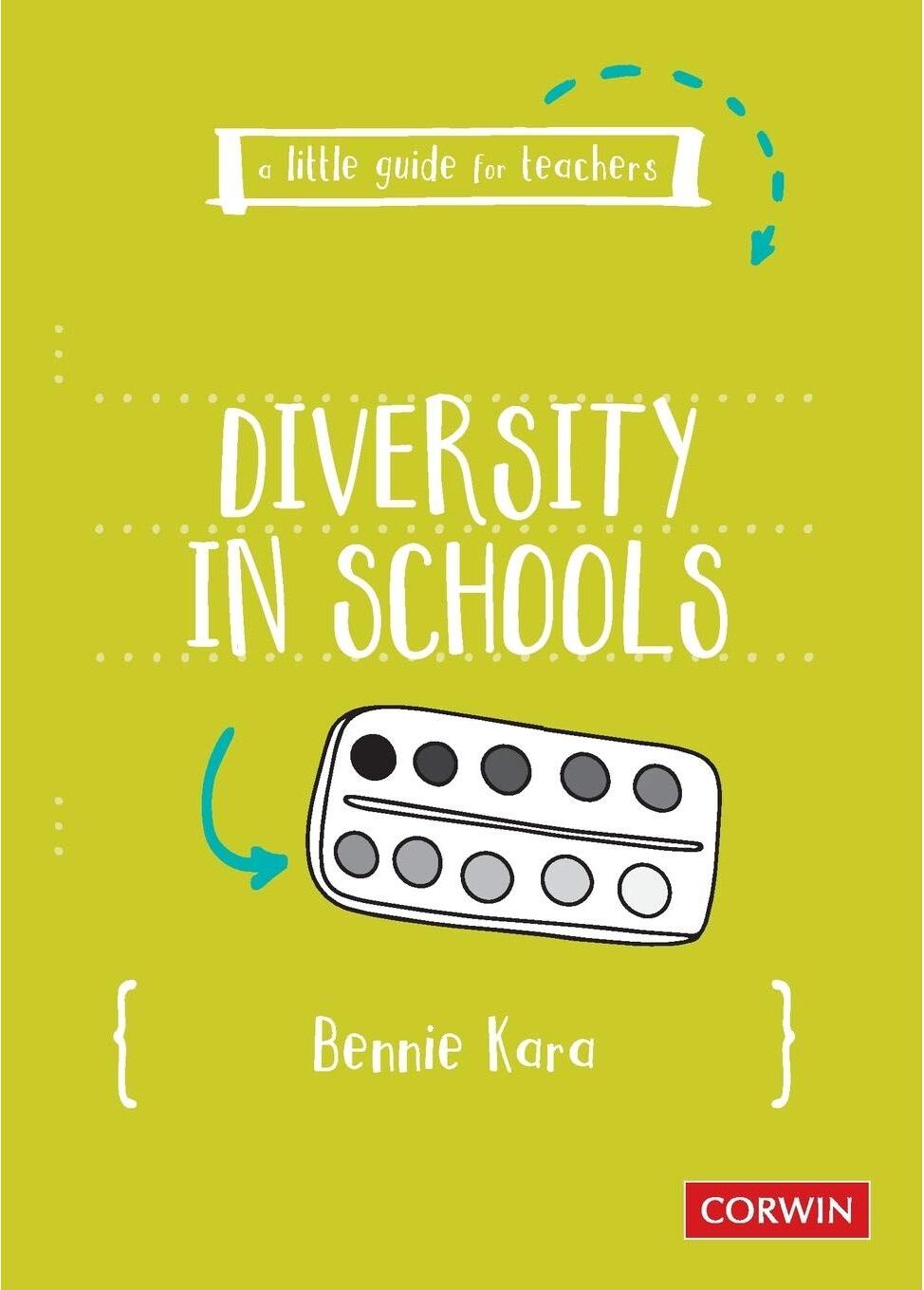
SAGE Publications A Little Guide for Teachers: Diversity in Schools (A Little Guide for Teachers)A Little Guide for Teachers: Diversity in Schools aims to provide starting points for teachers and leaders in creating a curriculum, either across disciplines or within subjects, that is as deep and diverse as their students. The Little Guide for Teachers series is little in size but BIG on all the support and inspiration you need to navigate your day to day life as a teacher. · Authored by experts in the field · Easy to dip in-and-out of · Interactive activities encourage you to write into the book and make it your own · Fun engaging illustrations throughout · Read in an afternoon or take as long as you like with it!12,99 £*Shipping: 2,99 £Secure redirect to the provider



-
What is meiosis and mitosis?
Meiosis is a type of cell division that occurs in sexually reproducing organisms, resulting in the formation of gametes (sperm and egg cells) with half the number of chromosomes as the parent cell. This process involves two rounds of division, resulting in four daughter cells that are genetically different from each other and the parent cell. Mitosis, on the other hand, is a type of cell division that occurs in somatic cells, resulting in the production of two identical daughter cells with the same number of chromosomes as the parent cell. This process is essential for growth, repair, and asexual reproduction in organisms. Both meiosis and mitosis are crucial for maintaining genetic diversity and proper cell function in living organisms. **
-
What is mitosis in biology?
Mitosis is a process of cell division in which a single cell divides to produce two identical daughter cells. This process is essential for growth, development, and repair of multicellular organisms. Mitosis involves a series of stages, including prophase, metaphase, anaphase, and telophase, during which the cell's genetic material is duplicated and then evenly distributed to the daughter cells. This ensures that each new cell receives a complete set of chromosomes and genetic information. **
-
What would happen without mitosis?
Without mitosis, organisms would not be able to grow, repair damaged tissues, or reproduce asexually. This process is essential for the development and maintenance of multicellular organisms. Without mitosis, the genetic material would not be properly distributed to daughter cells, leading to cell death and ultimately the death of the organism. Additionally, without mitosis, genetic diversity would be limited, as sexual reproduction relies on the production of gametes through meiosis, which is dependent on mitosis. **
-
When does the interphase follow mitosis?
Interphase follows mitosis in the cell cycle. After a cell completes mitosis, it enters interphase, which is the phase where the cell grows, carries out normal functions, and prepares for the next round of cell division. During interphase, the cell undergoes DNA replication in preparation for the next mitotic division. This phase is crucial for the cell to replenish its resources and ensure proper functioning before entering mitosis again. **


Why can't humans survive without mitosis?
Humans can't survive without mitosis because it is the process by which cells divide and replicate, allowing for growth, repair, and replacement of damaged or old cells. Without mitosis, the body would not be able to produce new cells to replace those that are lost through normal wear and tear, injury, or disease. This would lead to a breakdown of tissues and organs, ultimately resulting in the inability to sustain life. Therefore, mitosis is essential for the maintenance and survival of the human body. **
Could one compare it to mitosis?
While both processes involve cell division, meiosis is distinct from mitosis in several key ways. Mitosis results in two identical daughter cells with the same number of chromosomes as the parent cell, while meiosis produces four genetically unique daughter cells with half the number of chromosomes. Additionally, meiosis involves two rounds of cell division, resulting in genetic variation through processes such as crossing over and independent assortment. Overall, while mitosis and meiosis share some similarities, they are fundamentally different processes with distinct outcomes. **
Top-Angebote
Products related to Mitosis:
-
Uplifted Finds The Control Circle Archetype Social Worker Empowerment Canvas Executive Office & Wellness Sanctuary Decor 13 X 18 Cm No Frame"Inaugurate a grounding ""MindfulnessSanctuary"" energy in your environment with our ""Control Circle"" Archetype Canvas. This premium Social Worker and Mental Health professional print is the ultimate designer solution for creating a ""ClinicalModern"" or..."41,97 $*Shipping: 0,00 $Secure redirect to the provider
-
HARPERCOLLINS Creative Confidence by Tom & David Kelley – Unleashing Your Creative Potential & Innovation MindsetA powerful and inspiring book from the founders of IDEO, the award-winning design firm, on unleashing the creativity that lies within each and every one of us. Too often, companies and individuals assume that creativity and innovation are the domain of the ‘creative types’. But two of the foremost experts in innovation, design and creativity on the planet show us that each and every one of us is creative. In an entertaining and inspiring narrative that draws on countless stories from their work at IDEO, and with many of the world's top companies and design firms, David and Tom Kelley identify the principles and strategies that will allow us to tap into our creative potential in our work lives, and in our personal lives, allow us to think outside the box in terms of how we approach and solve problems. ‘Creative Confidence’ is a book that will help each of us be more productive and successful in our lives and in our careers.4,95 £*Shipping: 1,99 £Secure redirect to the provider
-
SAGE Publications A Little Guide for Teachers: Diversity in Schools (A Little Guide for Teachers)A Little Guide for Teachers: Diversity in Schools aims to provide starting points for teachers and leaders in creating a curriculum, either across disciplines or within subjects, that is as deep and diverse as their students. The Little Guide for Teachers series is little in size but BIG on all the support and inspiration you need to navigate your day to day life as a teacher. · Authored by experts in the field · Easy to dip in-and-out of · Interactive activities encourage you to write into the book and make it your own · Fun engaging illustrations throughout · Read in an afternoon or take as long as you like with it!12,99 £*Shipping: 2,99 £Secure redirect to the provider
-
What is mitosis?
Mitosis is a process of cell division in which a single cell divides into two identical daughter cells. It is a crucial part of the cell cycle and is essential for growth, development, and repair of multicellular organisms. During mitosis, the genetic material of the cell is replicated and then evenly distributed between the two daughter cells, ensuring that each new cell receives a complete set of chromosomes. This process is tightly regulated and involves several stages, including prophase, metaphase, anaphase, and telophase. **
-
'How does mitosis occur?'
Mitosis is the process by which a eukaryotic cell divides to produce two identical daughter cells. It occurs in several stages: prophase, metaphase, anaphase, and telophase. During prophase, the chromosomes condense and the nuclear envelope breaks down. In metaphase, the chromosomes line up along the cell's equator. In anaphase, the sister chromatids separate and move to opposite poles of the cell. Finally, in telophase, the nuclear envelope reforms around the separated chromosomes. This results in two genetically identical daughter cells. **
-
What is meiosis and mitosis?
Meiosis is a type of cell division that occurs in sexually reproducing organisms, resulting in the formation of gametes (sperm and egg cells) with half the number of chromosomes as the parent cell. This process involves two rounds of division, resulting in four daughter cells that are genetically different from each other and the parent cell. Mitosis, on the other hand, is a type of cell division that occurs in somatic cells, resulting in the production of two identical daughter cells with the same number of chromosomes as the parent cell. This process is essential for growth, repair, and asexual reproduction in organisms. Both meiosis and mitosis are crucial for maintaining genetic diversity and proper cell function in living organisms. **
-
What is mitosis in biology?
Mitosis is a process of cell division in which a single cell divides to produce two identical daughter cells. This process is essential for growth, development, and repair of multicellular organisms. Mitosis involves a series of stages, including prophase, metaphase, anaphase, and telophase, during which the cell's genetic material is duplicated and then evenly distributed to the daughter cells. This ensures that each new cell receives a complete set of chromosomes and genetic information. **
Similar search terms for Mitosis
-
Testo Hose Connection SetHose connection set for separate gas pressure measurement testo 327 / testo 330-LL. With the pressure connection set, the flue gas measuring instruments testo 330 LL and testo 320 can be used for the measurement of gas or air pressure. The hoses are attached to the test nipples at the measurement site, and connected to the flue gas measuring instrument via the measuring instrument adapter.35,70 £*Shipping: 5,00 £Secure redirect to the provider
-
Simple Living Connection DeskThe Connection Desk by Simple Living gives you space for productivity in an attractive package. Crafted with metal legs and a laminated MDF desk top, this desk has a sleek contemporary design that will enhance your home office.79,99 $*Shipping: 0,00 $Secure redirect to the provider
-
What would happen without mitosis?
Without mitosis, organisms would not be able to grow, repair damaged tissues, or reproduce asexually. This process is essential for the development and maintenance of multicellular organisms. Without mitosis, the genetic material would not be properly distributed to daughter cells, leading to cell death and ultimately the death of the organism. Additionally, without mitosis, genetic diversity would be limited, as sexual reproduction relies on the production of gametes through meiosis, which is dependent on mitosis. **
-
When does the interphase follow mitosis?
Interphase follows mitosis in the cell cycle. After a cell completes mitosis, it enters interphase, which is the phase where the cell grows, carries out normal functions, and prepares for the next round of cell division. During interphase, the cell undergoes DNA replication in preparation for the next mitotic division. This phase is crucial for the cell to replenish its resources and ensure proper functioning before entering mitosis again. **
-
Why can't humans survive without mitosis?
Humans can't survive without mitosis because it is the process by which cells divide and replicate, allowing for growth, repair, and replacement of damaged or old cells. Without mitosis, the body would not be able to produce new cells to replace those that are lost through normal wear and tear, injury, or disease. This would lead to a breakdown of tissues and organs, ultimately resulting in the inability to sustain life. Therefore, mitosis is essential for the maintenance and survival of the human body. **
-
Could one compare it to mitosis?
While both processes involve cell division, meiosis is distinct from mitosis in several key ways. Mitosis results in two identical daughter cells with the same number of chromosomes as the parent cell, while meiosis produces four genetically unique daughter cells with half the number of chromosomes. Additionally, meiosis involves two rounds of cell division, resulting in genetic variation through processes such as crossing over and independent assortment. Overall, while mitosis and meiosis share some similarities, they are fundamentally different processes with distinct outcomes. **
* All prices are inclusive of VAT and, if applicable, plus shipping costs. The offer information is based on the details provided by the respective shop and is updated through automated processes. Real-time updates do not occur, so deviations can occur in individual cases. ** Note: Parts of this content were created by AI.