Buy eell.eu ?
We are moving the project
eell.eu .
Are you interested in purchasing the domain
eell.eu ?
domain@kv-gmbh.de · 0541-91531010
Buy eell.eu ?
What are transformation countries?
Transformation countries are those that are undergoing significant changes in their political, economic, and social systems. These changes may be the result of shifts in government, economic reforms, or social movements. Transformation countries often face challenges as they navigate these changes, including political instability, economic uncertainty, and social unrest. However, they also have the potential to emerge as more stable, prosperous, and equitable societies as a result of their transformation. **
What are examples of transformation countries?
Examples of transformation countries include South Korea, which has transformed from a war-torn, impoverished nation into a global economic powerhouse in just a few decades. Another example is Rwanda, which has made significant progress in rebuilding and developing its economy and society after the devastating genocide in 1994. Additionally, countries like Estonia have undergone a digital transformation, becoming a leader in e-governance and technology innovation. These countries have successfully undergone significant changes in their economic, social, or technological landscapes, leading to substantial improvements in their overall development. **

Similar search terms for Countries
Top-Angebote
Products related to Countries:
-
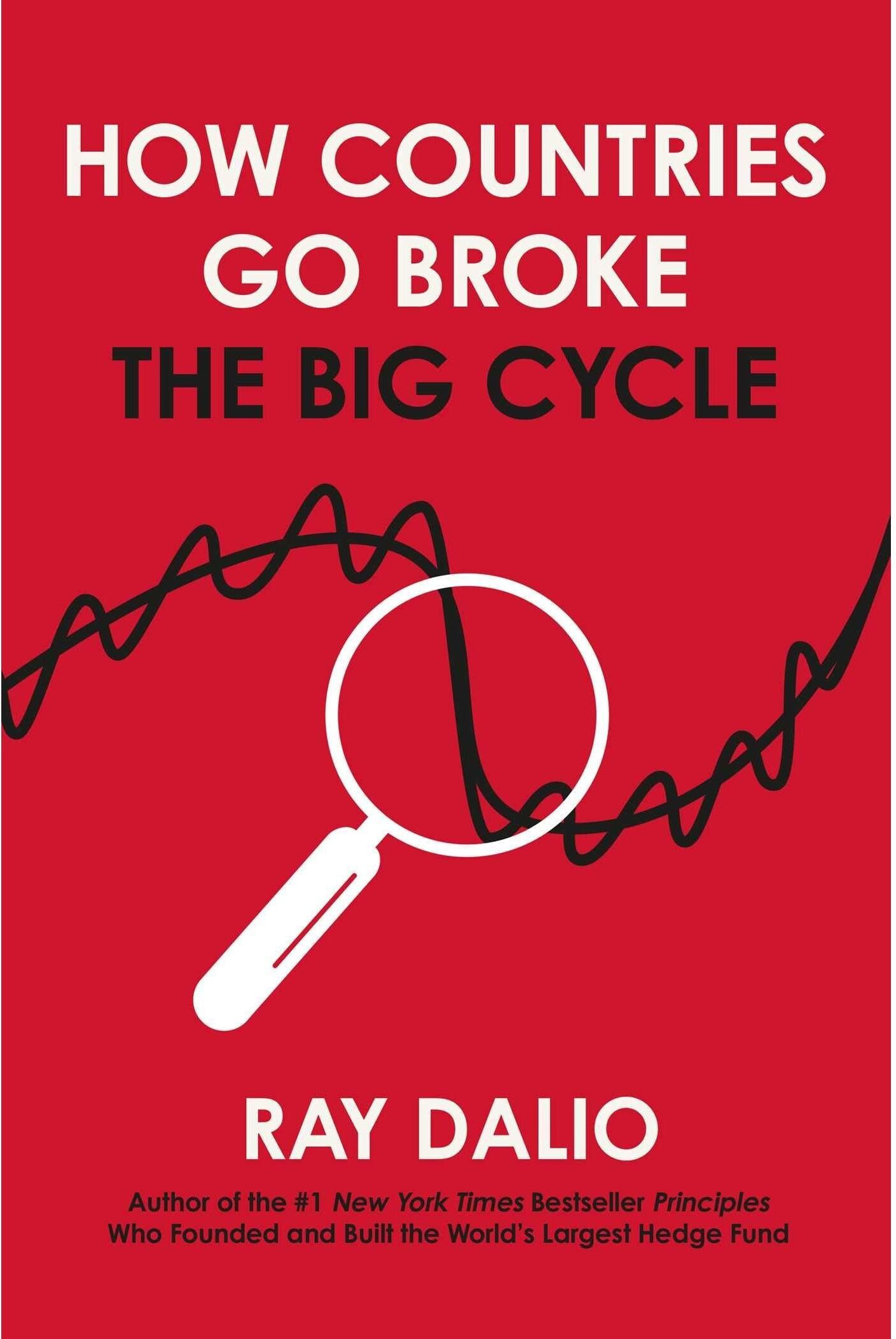
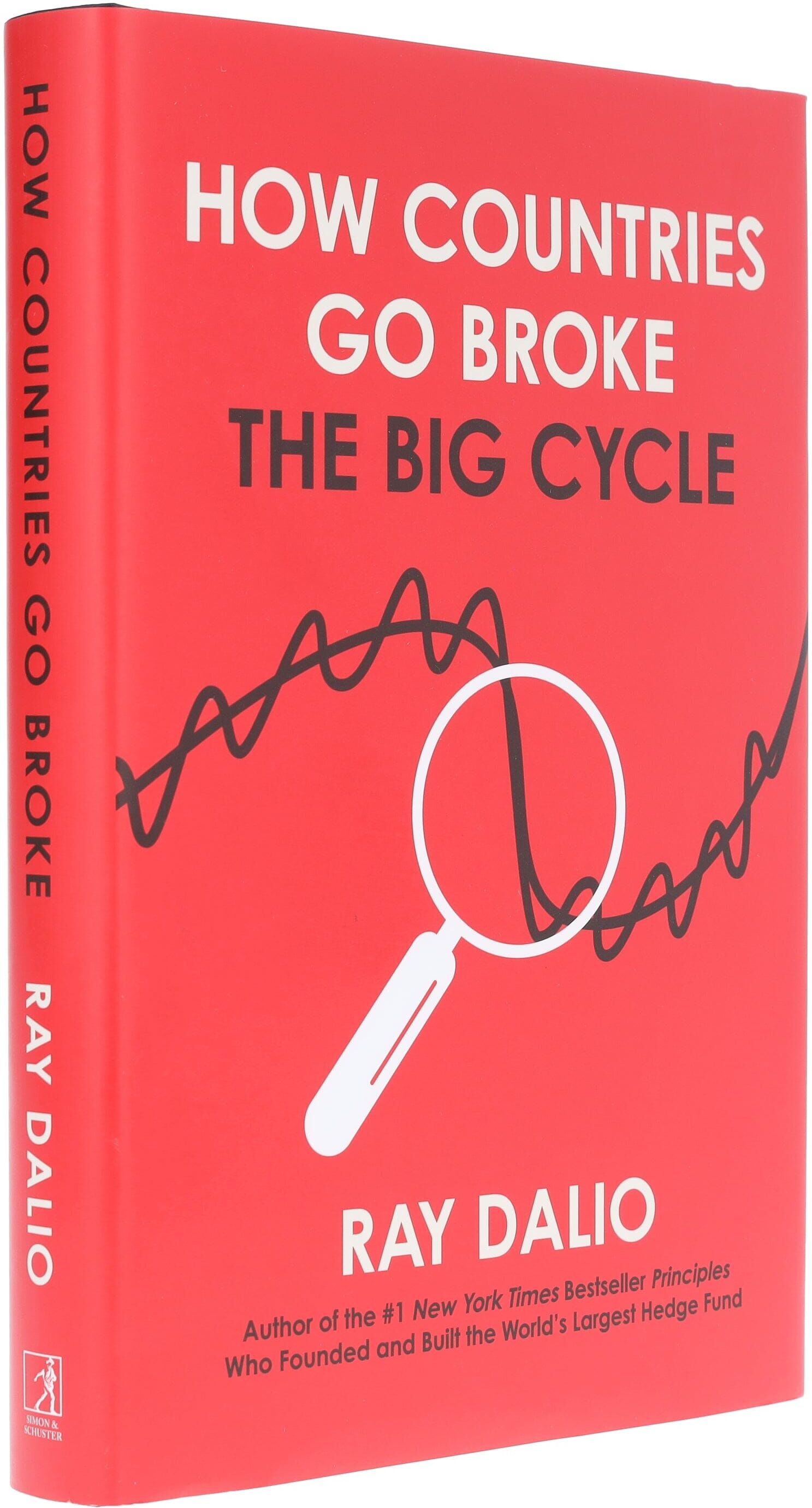
Simon and Schuster UK How Countries Go Broke: Principles for Navigating the Big Debt Cycle, Where We Are Headed, and What We Should DoAn urgent warning about the global economy from Ray Dalio, the #1 New York Times bestselling author of Principles. Do big government debts threaten our collective well-being? Are there limits to debt growth? Can a big, important reserve currency country like the United States really go broke – and what would that look like? For decades, politicians, policymakers and investors have debated these questions, but the answers have eluded them. In this groundbreaking book, Ray Dalio, one of the greatest investors of our time who anticipated the 2008 global financial crisis and the 2010–12 European debt crisis, shares for the first time his detailed explanation of what he calls the 'Big Debt Cycle'. Understanding this cycle is critical for helping policymakers, investors and the general public grasp where we are and where we are headed with the debt issue. Dalio's model points toward surprisingly straightforward solutions for dealing with the debt problems that the US, Europe, Japan and China face today. How Countries Go Broke also shows how these debt problems are related to the other forces – political within countries, geopolitical between countries, natural (droughts, floods and pandemics) and technological (most importantly, AI) – that together are causing what Dalio calls the 'Overall Big Cycle' changes in the world order. By reading this book, you will improve your understanding of what's happening now and what to do about it.17,99 £*Shipping: 2,99 £Secure redirect to the provider
-
Uplifted Finds The Control Circle Archetype Social Worker Empowerment Canvas Executive Office & Wellness Sanctuary Decor 13 X 18 Cm No Frame"Inaugurate a grounding ""MindfulnessSanctuary"" energy in your environment with our ""Control Circle"" Archetype Canvas. This premium Social Worker and Mental Health professional print is the ultimate designer solution for creating a ""ClinicalModern"" or..."41,97 $*Shipping: 0,00 $Secure redirect to the provider
-
How Countries Go Broke Principles for Navigating the Big Debt Cycle, Where We Are Headed, and What We Should Do by Ray Dalio - Non Fiction - Hardback Simon & SchusterDo big government debts threaten our collective well-being? Are there limits to debt growth? Can a big, important reserve currency country like the United States really go broke – and what would that look like? For decades, politicians, policymakers and investors have debated these questions, but the answers have eluded them. In this groundbreaking book, Ray Dalio, one of the greatest investors of our time who anticipated the 2008 global financial crisis and the 2010–12 European debt crisis, shares for the first time his detailed explanation of what he calls the 'Big Debt Cycle'. Understanding this cycle is critical for helping policymakers, investors and the general public grasp where we are and where we are headed with the debt issue. Dalio's model points toward surprisingly straightforward solutions for dealing with the debt problems that the US, Europe, Japan and China face today. How Countries Go Broke also shows how these debt problems are related to the other forces – political within countries, geopolitical between countries, natural (droughts, floods and pandemics) and technological (most importantly, AI) – that together are causing what Dalio calls the 'Overall Big Cycle' changes in the world order. By reading this book, you will improve your understanding of what's happening now and what to do about it.15,99 £*Shipping: 2,99 £Secure redirect to the provider
-
Sesderma Reti Age 5 Liposomal Serum Anti-Aging Innovation 30mLA facial serum for wrinkles and signs of ageing. Reduces wrinkles and fine lines. Hydrates and strengthens barrier. Restores youthful radiance. 5-Retinoid System: smooths wrinkles, accelerates renewal, and boosts collagen. Biomimetic Peptides: fill expression lines by stimulating collagen synthesis.54,51 £*Shipping: 5,34 £Secure redirect to the provider


-
Do you like cultural diversity in individual countries?
Yes, I believe that cultural diversity in individual countries is a positive and enriching aspect of society. It allows for a greater understanding and appreciation of different traditions, customs, and perspectives. Cultural diversity also promotes tolerance and acceptance, and can lead to a more vibrant and dynamic society. Embracing and celebrating cultural diversity can ultimately contribute to a more inclusive and harmonious global community. **
-
Why is sustainability important in the textile industry in emerging countries?
Sustainability is crucial in the textile industry in emerging countries for several reasons. Firstly, these countries often lack strict environmental regulations, leading to high levels of pollution and resource depletion. Implementing sustainable practices can help mitigate these negative impacts on the environment. Additionally, consumers worldwide are increasingly demanding ethically produced and environmentally friendly products, making sustainability a competitive advantage for companies in emerging countries. Lastly, adopting sustainable practices can improve the overall well-being of workers in the textile industry by ensuring safe working conditions and fair wages. **
-
Which EU countries have a similar strong diversity of cultures as Germany?
France and the United Kingdom are two EU countries that have a similar strong diversity of cultures as Germany. France is known for its rich history and regional differences in language, cuisine, and traditions. The United Kingdom is made up of four countries - England, Scotland, Wales, and Northern Ireland - each with its own distinct culture and identity. Both countries have a long history of immigration and multiculturalism, contributing to their diverse cultural landscapes. **
-
Which countries are Balkan countries?
The Balkan countries are located in the southeastern region of Europe and include Albania, Bosnia and Herzegovina, Bulgaria, Croatia, Greece, Kosovo, Montenegro, North Macedonia, Romania, Serbia, and Slovenia. These countries are characterized by their diverse cultures, histories, and landscapes, and are often considered a bridge between the East and the West. The term "Balkan" is derived from the Balkan Mountains, which run through the region. **

Which Balkan countries are Islamic countries?
The Balkan countries with a significant Muslim population are Albania, Bosnia and Herzegovina, and Kosovo. These countries have a long history of Islamic influence and have a majority Muslim population. Islam has played a significant role in shaping the culture, traditions, and architecture of these countries. While other Balkan countries also have Muslim communities, these three countries are considered Islamic countries due to their majority Muslim population. **
What are industrialized countries and developing countries?
Industrialized countries are those that have advanced infrastructure, technology, and high levels of income and standard of living. These countries have highly developed economies and industries, and typically have a high level of urbanization and access to modern amenities. Developing countries, on the other hand, are those that are still in the process of industrialization and have lower levels of income and standard of living. These countries often have less advanced infrastructure and technology, and may have a higher proportion of their population engaged in agriculture. Developing countries are working towards improving their economic and social conditions to reach the level of industrialized countries. **
Top-Angebote
Products related to Countries:
-
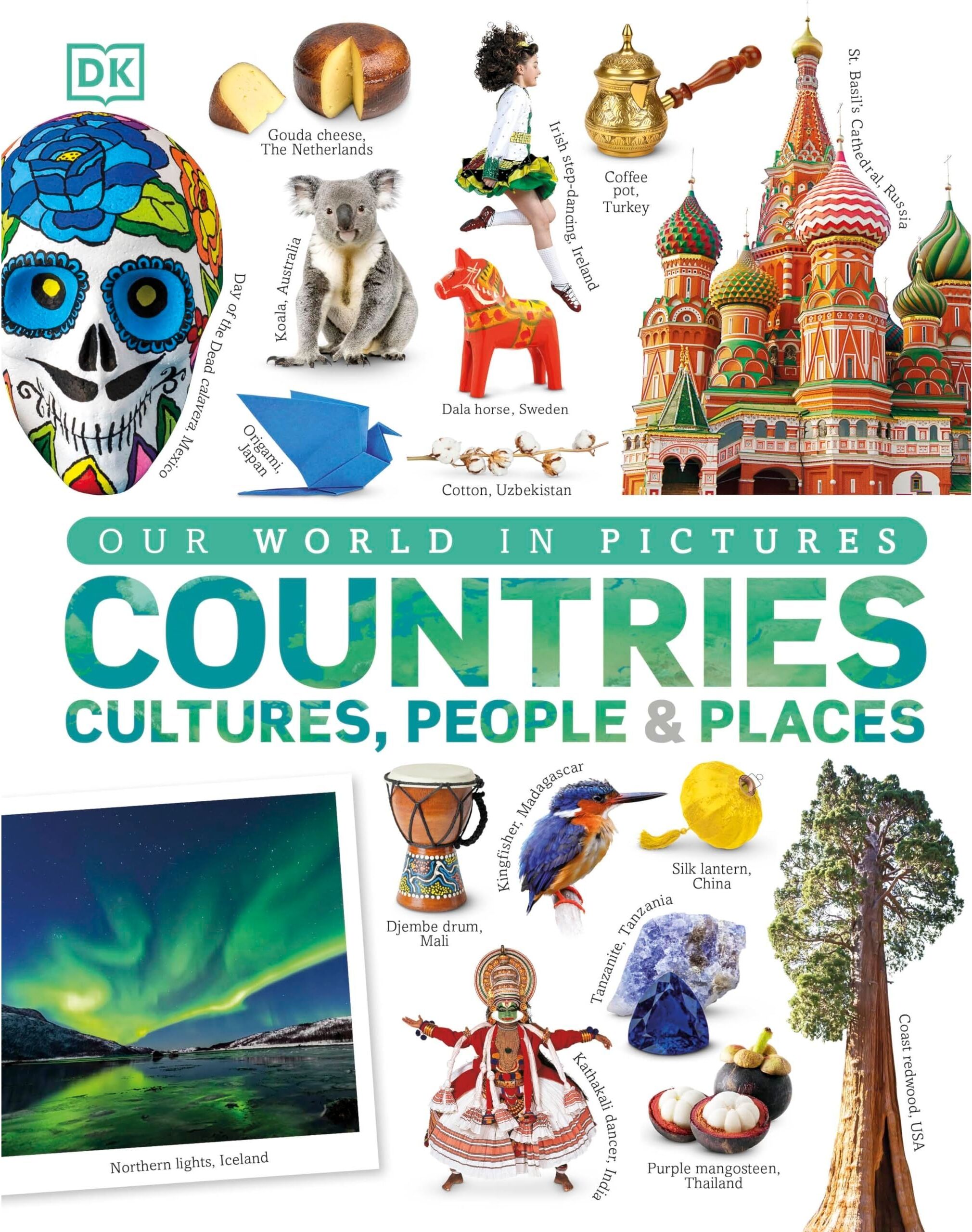
DK Our World in Pictures: Countries, Cultures, People and Places: A Visual Encyclopedia of the WorldPacked with more than 1,000 incredible images and full of fascinating facts, this beautiful children's book takes you on an exciting round-the-globe tour, with a stopover in every nation on every continent! Did you know that Cuba's national sport is baseball, one of the most popular sports in the US? And that kids in both Japan and Chile have earthquake drills on their school schedule? Find out about anything from the spookily vibrant Day of the Dead parade in Mexico and the beautiful springtime cherry blossom displays of Japan, to blueberry-picking in Sweden and India's space programme. Discover the countries of the world - explore their geography, wildlife, traditions, and arts, in this picture-packed children's book. Every country profile is full of photos, and each nation has a full-colour map detailing its main cities, landscape features, and borders, and exactly where in the world they are, in this engaging encyclopedia for children aged 9-12. Celebrate your child's curiosity as they explore: -Striking and detailed diagrams, drawings and illustrations on every page -A highly visual approach to learning -Ideal combination of colourful diagrams with infographic text boxes This captivating kids encyclopedia tackles our weird and wonderful world continent by content, with informative profiles for each of the 196 nations of the world and striking illustrations, photographs and diagrams featured throughout provide an optimum visual learning experience for both children and adults alike, accompanied by an array of fun facts from around the globe! This world encyclopedia includes at-a-glance panels that provide a quick reference to all the stats, making this engaging encyclopedia for kids an ideal combination of colourful diagrams and infographic text boxes with easy-to-read accessible text for readers aged 9-12, yet can be enjoyed by the entire family, making this enthralling children's encyclopedia a beautiful and educational gift that can be passed down generations.7,85 £*Shipping: 2,99 £Secure redirect to the provider
-
Simon and Schuster UK How Countries Go Broke: Principles for Navigating the Big Debt Cycle, Where We Are Headed, and What We Should DoAn urgent warning about the global economy from Ray Dalio, the #1 New York Times bestselling author of Principles. Do big government debts threaten our collective well-being? Are there limits to debt growth? Can a big, important reserve currency country like the United States really go broke – and what would that look like? For decades, politicians, policymakers and investors have debated these questions, but the answers have eluded them. In this groundbreaking book, Ray Dalio, one of the greatest investors of our time who anticipated the 2008 global financial crisis and the 2010–12 European debt crisis, shares for the first time his detailed explanation of what he calls the 'Big Debt Cycle'. Understanding this cycle is critical for helping policymakers, investors and the general public grasp where we are and where we are headed with the debt issue. Dalio's model points toward surprisingly straightforward solutions for dealing with the debt problems that the US, Europe, Japan and China face today. How Countries Go Broke also shows how these debt problems are related to the other forces – political within countries, geopolitical between countries, natural (droughts, floods and pandemics) and technological (most importantly, AI) – that together are causing what Dalio calls the 'Overall Big Cycle' changes in the world order. By reading this book, you will improve your understanding of what's happening now and what to do about it.17,99 £*Shipping: 2,99 £Secure redirect to the provider
-
Uplifted Finds The Control Circle Archetype Social Worker Empowerment Canvas Executive Office & Wellness Sanctuary Decor 13 X 18 Cm No Frame"Inaugurate a grounding ""MindfulnessSanctuary"" energy in your environment with our ""Control Circle"" Archetype Canvas. This premium Social Worker and Mental Health professional print is the ultimate designer solution for creating a ""ClinicalModern"" or..."41,97 $*Shipping: 0,00 $Secure redirect to the provider
-
What are transformation countries?
Transformation countries are those that are undergoing significant changes in their political, economic, and social systems. These changes may be the result of shifts in government, economic reforms, or social movements. Transformation countries often face challenges as they navigate these changes, including political instability, economic uncertainty, and social unrest. However, they also have the potential to emerge as more stable, prosperous, and equitable societies as a result of their transformation. **
-
What are examples of transformation countries?
Examples of transformation countries include South Korea, which has transformed from a war-torn, impoverished nation into a global economic powerhouse in just a few decades. Another example is Rwanda, which has made significant progress in rebuilding and developing its economy and society after the devastating genocide in 1994. Additionally, countries like Estonia have undergone a digital transformation, becoming a leader in e-governance and technology innovation. These countries have successfully undergone significant changes in their economic, social, or technological landscapes, leading to substantial improvements in their overall development. **
-
Do you like cultural diversity in individual countries?
Yes, I believe that cultural diversity in individual countries is a positive and enriching aspect of society. It allows for a greater understanding and appreciation of different traditions, customs, and perspectives. Cultural diversity also promotes tolerance and acceptance, and can lead to a more vibrant and dynamic society. Embracing and celebrating cultural diversity can ultimately contribute to a more inclusive and harmonious global community. **
-
Why is sustainability important in the textile industry in emerging countries?
Sustainability is crucial in the textile industry in emerging countries for several reasons. Firstly, these countries often lack strict environmental regulations, leading to high levels of pollution and resource depletion. Implementing sustainable practices can help mitigate these negative impacts on the environment. Additionally, consumers worldwide are increasingly demanding ethically produced and environmentally friendly products, making sustainability a competitive advantage for companies in emerging countries. Lastly, adopting sustainable practices can improve the overall well-being of workers in the textile industry by ensuring safe working conditions and fair wages. **
Similar search terms for Countries
-
How Countries Go Broke Principles for Navigating the Big Debt Cycle, Where We Are Headed, and What We Should Do by Ray Dalio - Non Fiction - Hardback Simon & SchusterDo big government debts threaten our collective well-being? Are there limits to debt growth? Can a big, important reserve currency country like the United States really go broke – and what would that look like? For decades, politicians, policymakers and investors have debated these questions, but the answers have eluded them. In this groundbreaking book, Ray Dalio, one of the greatest investors of our time who anticipated the 2008 global financial crisis and the 2010–12 European debt crisis, shares for the first time his detailed explanation of what he calls the 'Big Debt Cycle'. Understanding this cycle is critical for helping policymakers, investors and the general public grasp where we are and where we are headed with the debt issue. Dalio's model points toward surprisingly straightforward solutions for dealing with the debt problems that the US, Europe, Japan and China face today. How Countries Go Broke also shows how these debt problems are related to the other forces – political within countries, geopolitical between countries, natural (droughts, floods and pandemics) and technological (most importantly, AI) – that together are causing what Dalio calls the 'Overall Big Cycle' changes in the world order. By reading this book, you will improve your understanding of what's happening now and what to do about it.15,99 £*Shipping: 2,99 £Secure redirect to the provider
-
Sesderma Reti Age 5 Liposomal Serum Anti-Aging Innovation 30mLA facial serum for wrinkles and signs of ageing. Reduces wrinkles and fine lines. Hydrates and strengthens barrier. Restores youthful radiance. 5-Retinoid System: smooths wrinkles, accelerates renewal, and boosts collagen. Biomimetic Peptides: fill expression lines by stimulating collagen synthesis.54,51 £*Shipping: 5,34 £Secure redirect to the provider
-
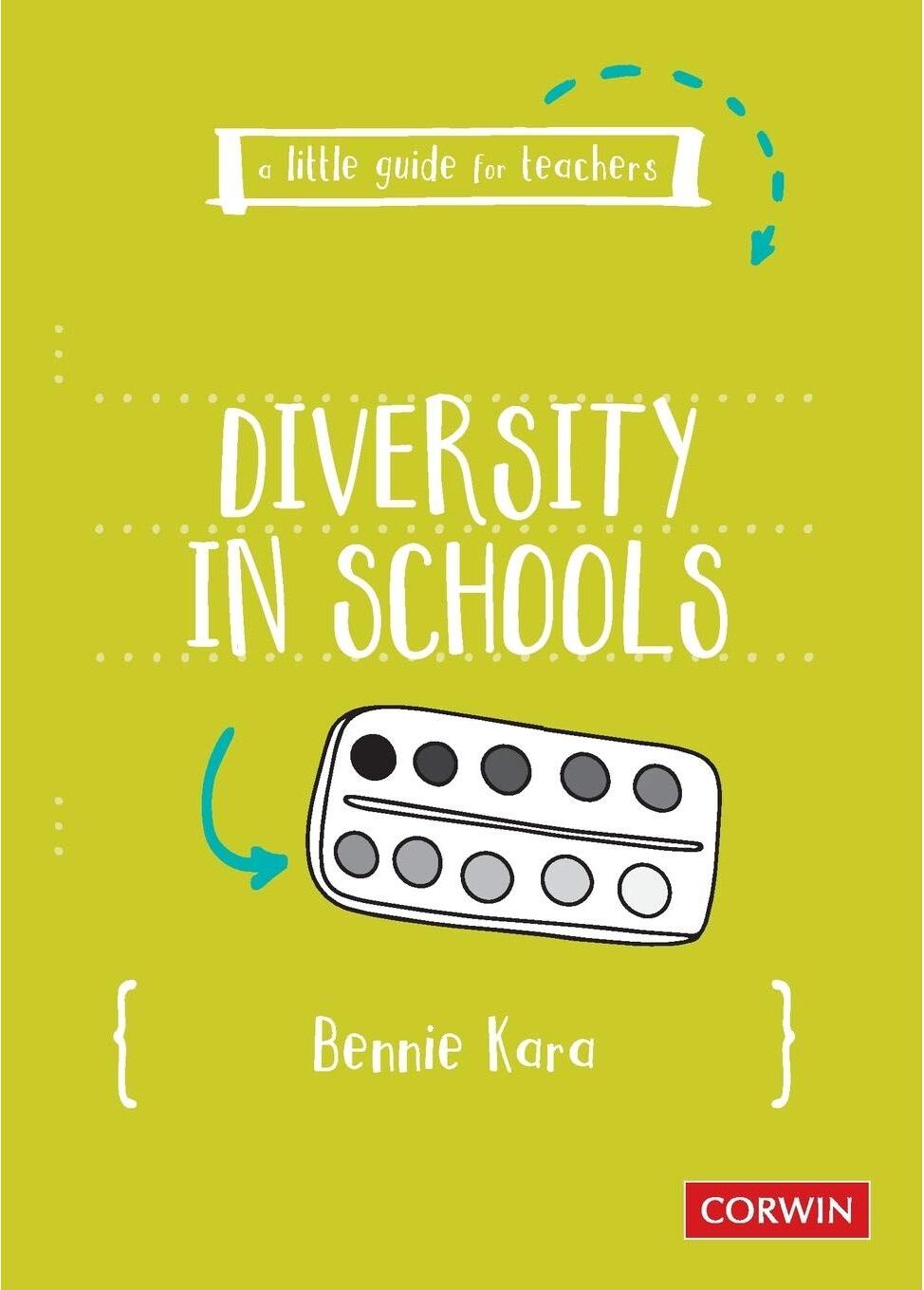
SAGE Publications A Little Guide for Teachers: Diversity in Schools (A Little Guide for Teachers)A Little Guide for Teachers: Diversity in Schools aims to provide starting points for teachers and leaders in creating a curriculum, either across disciplines or within subjects, that is as deep and diverse as their students. The Little Guide for Teachers series is little in size but BIG on all the support and inspiration you need to navigate your day to day life as a teacher. · Authored by experts in the field · Easy to dip in-and-out of · Interactive activities encourage you to write into the book and make it your own · Fun engaging illustrations throughout · Read in an afternoon or take as long as you like with it!12,99 £*Shipping: 2,99 £Secure redirect to the provider
-
Which EU countries have a similar strong diversity of cultures as Germany?
France and the United Kingdom are two EU countries that have a similar strong diversity of cultures as Germany. France is known for its rich history and regional differences in language, cuisine, and traditions. The United Kingdom is made up of four countries - England, Scotland, Wales, and Northern Ireland - each with its own distinct culture and identity. Both countries have a long history of immigration and multiculturalism, contributing to their diverse cultural landscapes. **
-
Which countries are Balkan countries?
The Balkan countries are located in the southeastern region of Europe and include Albania, Bosnia and Herzegovina, Bulgaria, Croatia, Greece, Kosovo, Montenegro, North Macedonia, Romania, Serbia, and Slovenia. These countries are characterized by their diverse cultures, histories, and landscapes, and are often considered a bridge between the East and the West. The term "Balkan" is derived from the Balkan Mountains, which run through the region. **
-
Which Balkan countries are Islamic countries?
The Balkan countries with a significant Muslim population are Albania, Bosnia and Herzegovina, and Kosovo. These countries have a long history of Islamic influence and have a majority Muslim population. Islam has played a significant role in shaping the culture, traditions, and architecture of these countries. While other Balkan countries also have Muslim communities, these three countries are considered Islamic countries due to their majority Muslim population. **
-
What are industrialized countries and developing countries?
Industrialized countries are those that have advanced infrastructure, technology, and high levels of income and standard of living. These countries have highly developed economies and industries, and typically have a high level of urbanization and access to modern amenities. Developing countries, on the other hand, are those that are still in the process of industrialization and have lower levels of income and standard of living. These countries often have less advanced infrastructure and technology, and may have a higher proportion of their population engaged in agriculture. Developing countries are working towards improving their economic and social conditions to reach the level of industrialized countries. **
* All prices are inclusive of VAT and, if applicable, plus shipping costs. The offer information is based on the details provided by the respective shop and is updated through automated processes. Real-time updates do not occur, so deviations can occur in individual cases. ** Note: Parts of this content were created by AI.