Buy eell.eu ?
We are moving the project
eell.eu .
Are you interested in purchasing the domain
eell.eu ?
domain@kv-gmbh.de · 0541-91531010
Buy eell.eu ?
What are colonies?
Colonies are territories or regions that are controlled and governed by a more powerful country or state. The ruling country typically establishes control over the colony for economic, political, or strategic reasons. Colonies are often established through conquest, settlement, or trade, and the ruling country may impose its own laws, customs, and language on the colony. Throughout history, many countries have established colonies around the world, leading to significant cultural, social, and economic impacts on both the ruling country and the colonized region. **
Should colonies be removed?
The decision to remove colonies should be carefully considered on a case-by-case basis. Colonies can have negative impacts on native ecosystems and species, and can also pose health and safety risks to humans. However, removal should be approached with caution, as it can disrupt the balance of local ecosystems and may not always be the most effective solution. It is important to consider alternative methods of managing colonies, such as habitat modification or relocation, before resorting to removal. Ultimately, the decision should be made with the goal of minimizing harm to both the environment and the animals involved. **

Similar search terms for Colonies
Top-Angebote
Products related to Colonies:
-
SAGE Publications A Little Guide for Teachers: Diversity in Schools (A Little Guide for Teachers)A Little Guide for Teachers: Diversity in Schools aims to provide starting points for teachers and leaders in creating a curriculum, either across disciplines or within subjects, that is as deep and diverse as their students. The Little Guide for Teachers series is little in size but BIG on all the support and inspiration you need to navigate your day to day life as a teacher. · Authored by experts in the field · Easy to dip in-and-out of · Interactive activities encourage you to write into the book and make it your own · Fun engaging illustrations throughout · Read in an afternoon or take as long as you like with it!12,99 £*Shipping: 2,99 £Secure redirect to the provider



-
Which of the 13 English colonies clearly show that they are British colonies?
All 13 English colonies were British colonies, but some like Virginia, Massachusetts, and New York clearly demonstrate their British roots through their establishment by British settlers, adherence to British laws and governance, and economic ties to Britain through trade and commerce. These colonies maintained strong cultural, political, and economic connections to Britain, which influenced their development and identity as British colonies. **
-
Which of the 13 English colonies clearly demonstrate that they are British colonies?
The colony of Virginia clearly demonstrates that it is a British colony. Virginia was the first permanent English settlement in North America, established in 1607. It was named after Queen Elizabeth I, who was known as the "Virgin Queen." Virginia's government and society were heavily influenced by British customs and laws, and it played a significant role in the British colonial system. Additionally, Virginia was a royal colony, meaning it was under direct control of the British crown. **
-
What are the current colonies?
As of 2021, there are 17 non-self-governing territories recognized by the United Nations as colonies. These include territories such as Western Sahara, Gibraltar, Falkland Islands, and New Caledonia, among others. These territories are under the administration of another country and have not yet achieved self-governance or independence. The status of these territories is subject to ongoing political discussions and negotiations. **
-
What are North American colonies?
North American colonies refer to the territories in North America that were established and governed by European powers, primarily England, France, and Spain, during the 16th to 18th centuries. These colonies were used for economic purposes such as resource extraction, trade, and agriculture, and were often subject to the laws and regulations of the mother country. Over time, many of these colonies gained independence and eventually formed the countries we know today, such as the United States and Canada. **


Where did England have colonies?
England had colonies in various regions around the world, including North America (such as the Thirteen Colonies), the Caribbean (like Jamaica and Barbados), Africa (like South Africa and Nigeria), Asia (such as India and Singapore), and Oceania (like Australia and New Zealand). These colonies were established through exploration, conquest, and colonization efforts by the English throughout history. **
Why did Europeans establish colonies?
Europeans established colonies for various reasons, including expanding their empires, gaining access to valuable resources, increasing trade opportunities, spreading their culture and religion, and asserting their power and influence over other regions. Colonies provided a way for European nations to establish control over new territories and populations, ultimately leading to economic and political benefits for the colonizing countries. Additionally, colonies served as strategic military outposts and helped secure dominance in global trade networks. **
Top-Angebote
Products related to Colonies:
-
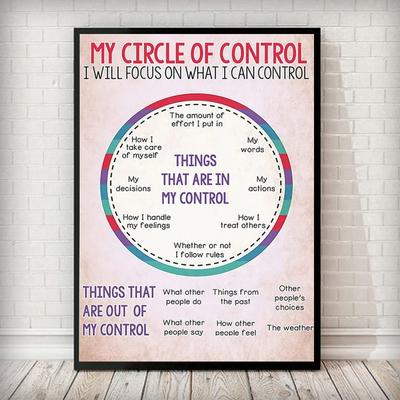
Uplifted Finds The Control Circle Archetype Social Worker Empowerment Canvas Executive Office & Wellness Sanctuary Decor 13 X 18 Cm No Frame"Inaugurate a grounding ""MindfulnessSanctuary"" energy in your environment with our ""Control Circle"" Archetype Canvas. This premium Social Worker and Mental Health professional print is the ultimate designer solution for creating a ""ClinicalModern"" or..."41,97 $*Shipping: 0,00 $Secure redirect to the provider
-
HARPERCOLLINS Creative Confidence by Tom & David Kelley – Unleashing Your Creative Potential & Innovation MindsetA powerful and inspiring book from the founders of IDEO, the award-winning design firm, on unleashing the creativity that lies within each and every one of us. Too often, companies and individuals assume that creativity and innovation are the domain of the ‘creative types’. But two of the foremost experts in innovation, design and creativity on the planet show us that each and every one of us is creative. In an entertaining and inspiring narrative that draws on countless stories from their work at IDEO, and with many of the world's top companies and design firms, David and Tom Kelley identify the principles and strategies that will allow us to tap into our creative potential in our work lives, and in our personal lives, allow us to think outside the box in terms of how we approach and solve problems. ‘Creative Confidence’ is a book that will help each of us be more productive and successful in our lives and in our careers.4,95 £*Shipping: 1,99 £Secure redirect to the provider
-
SAGE Publications A Little Guide for Teachers: Diversity in Schools (A Little Guide for Teachers)A Little Guide for Teachers: Diversity in Schools aims to provide starting points for teachers and leaders in creating a curriculum, either across disciplines or within subjects, that is as deep and diverse as their students. The Little Guide for Teachers series is little in size but BIG on all the support and inspiration you need to navigate your day to day life as a teacher. · Authored by experts in the field · Easy to dip in-and-out of · Interactive activities encourage you to write into the book and make it your own · Fun engaging illustrations throughout · Read in an afternoon or take as long as you like with it!12,99 £*Shipping: 2,99 £Secure redirect to the provider
-
What are colonies?
Colonies are territories or regions that are controlled and governed by a more powerful country or state. The ruling country typically establishes control over the colony for economic, political, or strategic reasons. Colonies are often established through conquest, settlement, or trade, and the ruling country may impose its own laws, customs, and language on the colony. Throughout history, many countries have established colonies around the world, leading to significant cultural, social, and economic impacts on both the ruling country and the colonized region. **
-
Should colonies be removed?
The decision to remove colonies should be carefully considered on a case-by-case basis. Colonies can have negative impacts on native ecosystems and species, and can also pose health and safety risks to humans. However, removal should be approached with caution, as it can disrupt the balance of local ecosystems and may not always be the most effective solution. It is important to consider alternative methods of managing colonies, such as habitat modification or relocation, before resorting to removal. Ultimately, the decision should be made with the goal of minimizing harm to both the environment and the animals involved. **
-
Which of the 13 English colonies clearly show that they are British colonies?
All 13 English colonies were British colonies, but some like Virginia, Massachusetts, and New York clearly demonstrate their British roots through their establishment by British settlers, adherence to British laws and governance, and economic ties to Britain through trade and commerce. These colonies maintained strong cultural, political, and economic connections to Britain, which influenced their development and identity as British colonies. **
-
Which of the 13 English colonies clearly demonstrate that they are British colonies?
The colony of Virginia clearly demonstrates that it is a British colony. Virginia was the first permanent English settlement in North America, established in 1607. It was named after Queen Elizabeth I, who was known as the "Virgin Queen." Virginia's government and society were heavily influenced by British customs and laws, and it played a significant role in the British colonial system. Additionally, Virginia was a royal colony, meaning it was under direct control of the British crown. **
Similar search terms for Colonies
-
Testo Hose Connection SetHose connection set for separate gas pressure measurement testo 327 / testo 330-LL. With the pressure connection set, the flue gas measuring instruments testo 330 LL and testo 320 can be used for the measurement of gas or air pressure. The hoses are attached to the test nipples at the measurement site, and connected to the flue gas measuring instrument via the measuring instrument adapter.35,70 £*Shipping: 5,00 £Secure redirect to the provider
-
Simple Living Connection DeskThe Connection Desk by Simple Living gives you space for productivity in an attractive package. Crafted with metal legs and a laminated MDF desk top, this desk has a sleek contemporary design that will enhance your home office.79,99 $*Shipping: 0,00 $Secure redirect to the provider
-
What are the current colonies?
As of 2021, there are 17 non-self-governing territories recognized by the United Nations as colonies. These include territories such as Western Sahara, Gibraltar, Falkland Islands, and New Caledonia, among others. These territories are under the administration of another country and have not yet achieved self-governance or independence. The status of these territories is subject to ongoing political discussions and negotiations. **
-
What are North American colonies?
North American colonies refer to the territories in North America that were established and governed by European powers, primarily England, France, and Spain, during the 16th to 18th centuries. These colonies were used for economic purposes such as resource extraction, trade, and agriculture, and were often subject to the laws and regulations of the mother country. Over time, many of these colonies gained independence and eventually formed the countries we know today, such as the United States and Canada. **
-
Where did England have colonies?
England had colonies in various regions around the world, including North America (such as the Thirteen Colonies), the Caribbean (like Jamaica and Barbados), Africa (like South Africa and Nigeria), Asia (such as India and Singapore), and Oceania (like Australia and New Zealand). These colonies were established through exploration, conquest, and colonization efforts by the English throughout history. **
-
Why did Europeans establish colonies?
Europeans established colonies for various reasons, including expanding their empires, gaining access to valuable resources, increasing trade opportunities, spreading their culture and religion, and asserting their power and influence over other regions. Colonies provided a way for European nations to establish control over new territories and populations, ultimately leading to economic and political benefits for the colonizing countries. Additionally, colonies served as strategic military outposts and helped secure dominance in global trade networks. **
* All prices are inclusive of VAT and, if applicable, plus shipping costs. The offer information is based on the details provided by the respective shop and is updated through automated processes. Real-time updates do not occur, so deviations can occur in individual cases. ** Note: Parts of this content were created by AI.