Buy eell.eu ?
We are moving the project
eell.eu .
Are you interested in purchasing the domain
eell.eu ?
domain@kv-gmbh.de · 0541-91531010
Buy eell.eu ?
What about the Mohammed cartoons?
The Mohammed cartoons refer to a series of cartoons depicting the Islamic prophet Mohammed that were published in a Danish newspaper in 2005. The cartoons sparked widespread outrage and protests in the Muslim world due to the belief that depicting Mohammed is blasphemous in Islam. The controversy highlighted the tensions between freedom of speech and respect for religious beliefs, and led to debates about the limits of free expression in a multicultural society. **
What do these cartoons mean?
These cartoons depict a person being overwhelmed by various tasks and responsibilities, symbolized by the multiple hands juggling different objects. The message conveyed is the feeling of being pulled in different directions and struggling to keep up with everything that needs to be done. It highlights the stress and pressure that can come from trying to manage a busy and demanding schedule. **

Similar search terms for Cartoons
Top-Angebote
Products related to Cartoons:
-
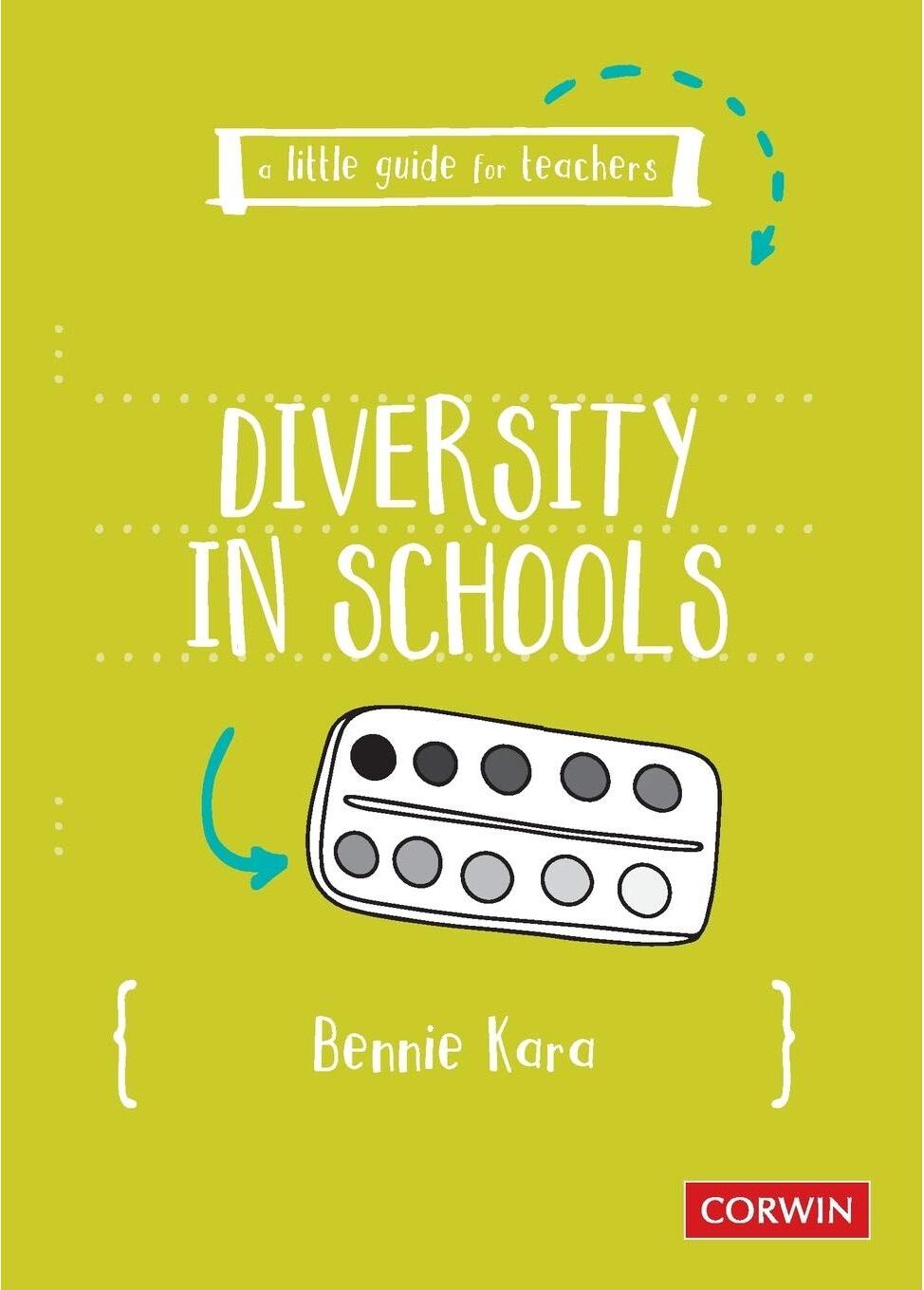
SAGE Publications A Little Guide for Teachers: Diversity in Schools (A Little Guide for Teachers)A Little Guide for Teachers: Diversity in Schools aims to provide starting points for teachers and leaders in creating a curriculum, either across disciplines or within subjects, that is as deep and diverse as their students. The Little Guide for Teachers series is little in size but BIG on all the support and inspiration you need to navigate your day to day life as a teacher. · Authored by experts in the field · Easy to dip in-and-out of · Interactive activities encourage you to write into the book and make it your own · Fun engaging illustrations throughout · Read in an afternoon or take as long as you like with it!12,99 £*Shipping: 2,99 £Secure redirect to the provider

-
Where could one publish cartoons?
One could publish cartoons in a variety of places, including newspapers, magazines, websites, and social media platforms. Many newspapers and magazines have dedicated cartoon sections or regularly feature cartoons as part of their content. Additionally, there are online platforms and social media accounts that specifically showcase and publish cartoons. Some cartoonists also publish their work in book form, either through traditional publishing houses or by self-publishing. **
-
Why do children like cartoons?
Children like cartoons because they are visually engaging and entertaining. Cartoons often feature colorful and exaggerated characters, which capture children's attention and imagination. Additionally, cartoons often depict simple and relatable storylines that children can easily understand and enjoy. The humor and lightheartedness of cartoons also appeal to children, providing them with a sense of joy and amusement. Overall, cartoons provide a form of escapism and entertainment for children, allowing them to explore new worlds and characters in a fun and engaging way. **
-
Do you like watching cartoons?
As an AI, I don't have personal preferences or feelings, so I don't have the capacity to like or dislike anything, including watching cartoons. However, I can provide information and recommendations about cartoons based on user preferences. If you enjoy watching cartoons, I can help you find new ones to watch or provide information about your favorite shows. **
-
What do the cartoons say?
The cartoons depict a person standing on a scale, looking disappointed at the number displayed. The scale is labeled "weight" and the person is holding a plate with a single piece of lettuce on it. The cartoons seem to be commenting on the frustration and disappointment that can come from focusing solely on the number on the scale, and the extreme measures some people may take to try to control their weight. It suggests that a healthy approach to weight management involves more than just focusing on the number on the scale. **


How can cartoons be analyzed?
Cartoons can be analyzed through various lenses, including visual elements, storytelling techniques, and cultural context. Visual elements such as color, composition, and character design can be examined to understand the cartoon's aesthetic and emotional impact. Storytelling techniques, such as plot structure, character development, and dialogue, can be analyzed to uncover the cartoon's narrative and thematic elements. Additionally, cartoons can be analyzed within their cultural context to understand their social and political implications. By considering these different aspects, one can gain a deeper understanding of the meaning and significance of cartoons. **
How can I better understand cartoons?
To better understand cartoons, you can start by paying attention to the visual elements such as character expressions, background details, and use of color. Additionally, analyze the dialogue and text within the cartoon to grasp the intended message or humor. It can also be helpful to research the context or references within the cartoon to gain a deeper understanding of the subject matter. Finally, practice interpreting cartoons by regularly engaging with them and discussing them with others to enhance your comprehension skills. **
Top-Angebote
Products related to Cartoons:
-
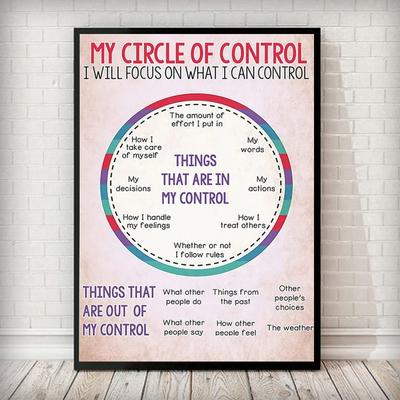
Uplifted Finds The Control Circle Archetype Social Worker Empowerment Canvas Executive Office & Wellness Sanctuary Decor 13 X 18 Cm No Frame"Inaugurate a grounding ""MindfulnessSanctuary"" energy in your environment with our ""Control Circle"" Archetype Canvas. This premium Social Worker and Mental Health professional print is the ultimate designer solution for creating a ""ClinicalModern"" or..."41,97 $*Shipping: 0,00 $Secure redirect to the provider
-
HARPERCOLLINS Creative Confidence by Tom & David Kelley – Unleashing Your Creative Potential & Innovation MindsetA powerful and inspiring book from the founders of IDEO, the award-winning design firm, on unleashing the creativity that lies within each and every one of us. Too often, companies and individuals assume that creativity and innovation are the domain of the ‘creative types’. But two of the foremost experts in innovation, design and creativity on the planet show us that each and every one of us is creative. In an entertaining and inspiring narrative that draws on countless stories from their work at IDEO, and with many of the world's top companies and design firms, David and Tom Kelley identify the principles and strategies that will allow us to tap into our creative potential in our work lives, and in our personal lives, allow us to think outside the box in terms of how we approach and solve problems. ‘Creative Confidence’ is a book that will help each of us be more productive and successful in our lives and in our careers.4,95 £*Shipping: 1,99 £Secure redirect to the provider
-
SAGE Publications A Little Guide for Teachers: Diversity in Schools (A Little Guide for Teachers)A Little Guide for Teachers: Diversity in Schools aims to provide starting points for teachers and leaders in creating a curriculum, either across disciplines or within subjects, that is as deep and diverse as their students. The Little Guide for Teachers series is little in size but BIG on all the support and inspiration you need to navigate your day to day life as a teacher. · Authored by experts in the field · Easy to dip in-and-out of · Interactive activities encourage you to write into the book and make it your own · Fun engaging illustrations throughout · Read in an afternoon or take as long as you like with it!12,99 £*Shipping: 2,99 £Secure redirect to the provider
-
What about the Mohammed cartoons?
The Mohammed cartoons refer to a series of cartoons depicting the Islamic prophet Mohammed that were published in a Danish newspaper in 2005. The cartoons sparked widespread outrage and protests in the Muslim world due to the belief that depicting Mohammed is blasphemous in Islam. The controversy highlighted the tensions between freedom of speech and respect for religious beliefs, and led to debates about the limits of free expression in a multicultural society. **
-
What do these cartoons mean?
These cartoons depict a person being overwhelmed by various tasks and responsibilities, symbolized by the multiple hands juggling different objects. The message conveyed is the feeling of being pulled in different directions and struggling to keep up with everything that needs to be done. It highlights the stress and pressure that can come from trying to manage a busy and demanding schedule. **
-
Where could one publish cartoons?
One could publish cartoons in a variety of places, including newspapers, magazines, websites, and social media platforms. Many newspapers and magazines have dedicated cartoon sections or regularly feature cartoons as part of their content. Additionally, there are online platforms and social media accounts that specifically showcase and publish cartoons. Some cartoonists also publish their work in book form, either through traditional publishing houses or by self-publishing. **
-
Why do children like cartoons?
Children like cartoons because they are visually engaging and entertaining. Cartoons often feature colorful and exaggerated characters, which capture children's attention and imagination. Additionally, cartoons often depict simple and relatable storylines that children can easily understand and enjoy. The humor and lightheartedness of cartoons also appeal to children, providing them with a sense of joy and amusement. Overall, cartoons provide a form of escapism and entertainment for children, allowing them to explore new worlds and characters in a fun and engaging way. **
Similar search terms for Cartoons
-
Testo Hose Connection SetHose connection set for separate gas pressure measurement testo 327 / testo 330-LL. With the pressure connection set, the flue gas measuring instruments testo 330 LL and testo 320 can be used for the measurement of gas or air pressure. The hoses are attached to the test nipples at the measurement site, and connected to the flue gas measuring instrument via the measuring instrument adapter.35,70 £*Shipping: 5,00 £Secure redirect to the provider
-
Simple Living Connection DeskThe Connection Desk by Simple Living gives you space for productivity in an attractive package. Crafted with metal legs and a laminated MDF desk top, this desk has a sleek contemporary design that will enhance your home office.79,99 $*Shipping: 0,00 $Secure redirect to the provider
-
Do you like watching cartoons?
As an AI, I don't have personal preferences or feelings, so I don't have the capacity to like or dislike anything, including watching cartoons. However, I can provide information and recommendations about cartoons based on user preferences. If you enjoy watching cartoons, I can help you find new ones to watch or provide information about your favorite shows. **
-
What do the cartoons say?
The cartoons depict a person standing on a scale, looking disappointed at the number displayed. The scale is labeled "weight" and the person is holding a plate with a single piece of lettuce on it. The cartoons seem to be commenting on the frustration and disappointment that can come from focusing solely on the number on the scale, and the extreme measures some people may take to try to control their weight. It suggests that a healthy approach to weight management involves more than just focusing on the number on the scale. **
-
How can cartoons be analyzed?
Cartoons can be analyzed through various lenses, including visual elements, storytelling techniques, and cultural context. Visual elements such as color, composition, and character design can be examined to understand the cartoon's aesthetic and emotional impact. Storytelling techniques, such as plot structure, character development, and dialogue, can be analyzed to uncover the cartoon's narrative and thematic elements. Additionally, cartoons can be analyzed within their cultural context to understand their social and political implications. By considering these different aspects, one can gain a deeper understanding of the meaning and significance of cartoons. **
-
How can I better understand cartoons?
To better understand cartoons, you can start by paying attention to the visual elements such as character expressions, background details, and use of color. Additionally, analyze the dialogue and text within the cartoon to grasp the intended message or humor. It can also be helpful to research the context or references within the cartoon to gain a deeper understanding of the subject matter. Finally, practice interpreting cartoons by regularly engaging with them and discussing them with others to enhance your comprehension skills. **
* All prices are inclusive of VAT and, if applicable, plus shipping costs. The offer information is based on the details provided by the respective shop and is updated through automated processes. Real-time updates do not occur, so deviations can occur in individual cases. ** Note: Parts of this content were created by AI.