Buy eell.eu ?
We are moving the project
eell.eu .
Are you interested in purchasing the domain
eell.eu ?
domain@kv-gmbh.de · 0541-91531010
Buy eell.eu ?
Why do Jews see us non-Jews as Goyim slaves?
It is not accurate to say that Jews see non-Jews as "Goyim slaves." The term "Goyim" simply means "nations" in Hebrew and is used to refer to non-Jews. It does not carry the connotation of being seen as slaves. Additionally, Judaism teaches that all human beings are created in the image of God and are deserving of respect and dignity. While there may be differences in beliefs and practices between Jews and non-Jews, it is not accurate to characterize the relationship as one of master and slave. **
Can non-Jews celebrate Jewish holidays?
Yes, non-Jews can celebrate Jewish holidays if they do so respectfully and with an understanding of the significance of the holiday to the Jewish community. It is important for non-Jews to approach the celebration of Jewish holidays with sensitivity and to avoid appropriating or misrepresenting the traditions and customs of the Jewish faith. Additionally, it is always a good idea to seek guidance and permission from members of the Jewish community when participating in their holidays. **


Similar search terms for Non-Jews
Top-Angebote
Products related to Non-Jews:
-
HARPERCOLLINS Creative Confidence by Tom & David Kelley – Unleashing Your Creative Potential & Innovation MindsetA powerful and inspiring book from the founders of IDEO, the award-winning design firm, on unleashing the creativity that lies within each and every one of us. Too often, companies and individuals assume that creativity and innovation are the domain of the ‘creative types’. But two of the foremost experts in innovation, design and creativity on the planet show us that each and every one of us is creative. In an entertaining and inspiring narrative that draws on countless stories from their work at IDEO, and with many of the world's top companies and design firms, David and Tom Kelley identify the principles and strategies that will allow us to tap into our creative potential in our work lives, and in our personal lives, allow us to think outside the box in terms of how we approach and solve problems. ‘Creative Confidence’ is a book that will help each of us be more productive and successful in our lives and in our careers.4,95 £*Shipping: 1,99 £Secure redirect to the provider
-
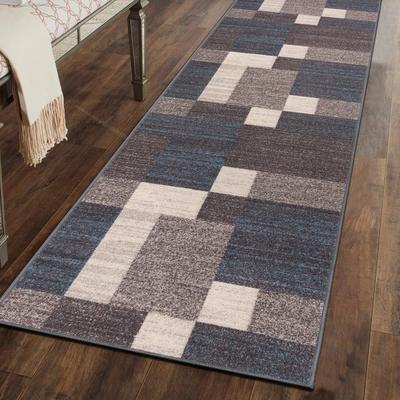
World Rug Gallery Modern Boxes Design Non-slip (Non-skid) Area RugWelcome style, comfort, and durability into your home with this beautiful rug featuring a rubber backing which makes it suitable for almost any floor. The geometric box design adds flair to almost any room.84,49 $*Shipping: 0,00 $Secure redirect to the provider



-
Is God's grace also for non-Jews?
Yes, God's grace is for all people, regardless of their nationality or ethnicity. In Christianity, it is believed that God's grace is extended to all who believe in Him, regardless of their background. The apostle Paul wrote in the New Testament that God's grace is available to both Jews and non-Jews, and that through faith in Jesus Christ, all can receive the gift of salvation. Therefore, God's grace is not limited to a specific group of people, but is available to all who seek it. **
-
Was Jesus' sacrifice only for the Jews or also for the non-Jews?
Jesus' sacrifice was not only for the Jews, but also for the non-Jews. The Bible teaches that Jesus came to offer salvation to all people, regardless of their ethnic or cultural background. In fact, Jesus himself instructed his disciples to go and make disciples of all nations, showing that his sacrifice was intended for everyone. This inclusive message of salvation is a central tenet of the Christian faith. **
-
What is the Jewish stance towards non-Jews?
Judaism teaches that all people, regardless of their religious or cultural background, are created in the image of God and should be treated with respect and dignity. The Jewish stance towards non-Jews is one of acceptance and tolerance, promoting the idea of universal human rights and the value of every individual. While there are specific religious laws and practices that apply only to Jews, Judaism also emphasizes the importance of ethical behavior and kindness towards all people, regardless of their faith or background. **
-
May non-Jews participate in Jewish religious services?
In general, non-Jews are welcome to attend Jewish religious services as observers. However, there are certain restrictions on participation in specific rituals and practices, particularly those that are reserved for Jewish individuals. For example, non-Jews may not participate in certain aspects of the prayer service or take on roles reserved for Jewish individuals, such as leading certain prayers or reading from the Torah. It is always best to check with the specific synagogue or community to understand their policies and expectations regarding non-Jewish participation in their religious services. **


How can better understanding between Jews and non-Jews be achieved in Germany and the world?
Better understanding between Jews and non-Jews in Germany and the world can be achieved through education, dialogue, and fostering empathy. It is important to educate people about the history and culture of the Jewish community, as well as the impact of anti-Semitism. Dialogue and open communication between different communities can help break down stereotypes and build mutual understanding. Additionally, fostering empathy and promoting intercultural exchange can help create a more inclusive and respectful society for all. It is also important for governments and organizations to actively combat anti-Semitism and discrimination, and to promote policies that support diversity and inclusion. **
Are non-Jews allowed to participate in Jewish religious services?
In general, non-Jews are welcome to attend Jewish religious services as observers, but there are certain limitations on their participation. For example, non-Jews are typically not allowed to lead prayers or perform certain rituals that are reserved for Jewish individuals. However, some synagogues may have more inclusive policies that allow for greater participation by non-Jews in certain aspects of the service. Ultimately, the level of participation permitted for non-Jews may vary depending on the specific synagogue and denomination. **
Top-Angebote
Products related to Non-Jews:
-
Uplifted Finds The Control Circle Archetype Social Worker Empowerment Canvas Executive Office & Wellness Sanctuary Decor 13 X 18 Cm No Frame"Inaugurate a grounding ""MindfulnessSanctuary"" energy in your environment with our ""Control Circle"" Archetype Canvas. This premium Social Worker and Mental Health professional print is the ultimate designer solution for creating a ""ClinicalModern"" or..."41,97 $*Shipping: 0,00 $Secure redirect to the provider
-
Elkay EZH2O RetroFit Bottle Filling Station Kit, Non-Filtered Non-RefrigeratedThe Elkay EZH2O® Bottle Filling Station delivers a clean quick water bottle fill and enhances sustainability by minimizing our dependency on disposable plastic bottles. Designed to retrofit existing 115V pushbar-activated EZ style water coolers.1398,49 $*Shipping: 0,00 $Secure redirect to the provider
-
HARPERCOLLINS Creative Confidence by Tom & David Kelley – Unleashing Your Creative Potential & Innovation MindsetA powerful and inspiring book from the founders of IDEO, the award-winning design firm, on unleashing the creativity that lies within each and every one of us. Too often, companies and individuals assume that creativity and innovation are the domain of the ‘creative types’. But two of the foremost experts in innovation, design and creativity on the planet show us that each and every one of us is creative. In an entertaining and inspiring narrative that draws on countless stories from their work at IDEO, and with many of the world's top companies and design firms, David and Tom Kelley identify the principles and strategies that will allow us to tap into our creative potential in our work lives, and in our personal lives, allow us to think outside the box in terms of how we approach and solve problems. ‘Creative Confidence’ is a book that will help each of us be more productive and successful in our lives and in our careers.4,95 £*Shipping: 1,99 £Secure redirect to the provider
-
Why do Jews see us non-Jews as Goyim slaves?
It is not accurate to say that Jews see non-Jews as "Goyim slaves." The term "Goyim" simply means "nations" in Hebrew and is used to refer to non-Jews. It does not carry the connotation of being seen as slaves. Additionally, Judaism teaches that all human beings are created in the image of God and are deserving of respect and dignity. While there may be differences in beliefs and practices between Jews and non-Jews, it is not accurate to characterize the relationship as one of master and slave. **
-
Can non-Jews celebrate Jewish holidays?
Yes, non-Jews can celebrate Jewish holidays if they do so respectfully and with an understanding of the significance of the holiday to the Jewish community. It is important for non-Jews to approach the celebration of Jewish holidays with sensitivity and to avoid appropriating or misrepresenting the traditions and customs of the Jewish faith. Additionally, it is always a good idea to seek guidance and permission from members of the Jewish community when participating in their holidays. **
-
Is God's grace also for non-Jews?
Yes, God's grace is for all people, regardless of their nationality or ethnicity. In Christianity, it is believed that God's grace is extended to all who believe in Him, regardless of their background. The apostle Paul wrote in the New Testament that God's grace is available to both Jews and non-Jews, and that through faith in Jesus Christ, all can receive the gift of salvation. Therefore, God's grace is not limited to a specific group of people, but is available to all who seek it. **
-
Was Jesus' sacrifice only for the Jews or also for the non-Jews?
Jesus' sacrifice was not only for the Jews, but also for the non-Jews. The Bible teaches that Jesus came to offer salvation to all people, regardless of their ethnic or cultural background. In fact, Jesus himself instructed his disciples to go and make disciples of all nations, showing that his sacrifice was intended for everyone. This inclusive message of salvation is a central tenet of the Christian faith. **
Similar search terms for Non-Jews
-
World Rug Gallery Modern Boxes Design Non-slip (Non-skid) Area RugWelcome style, comfort, and durability into your home with this beautiful rug featuring a rubber backing which makes it suitable for almost any floor. The geometric box design adds flair to almost any room.84,49 $*Shipping: 0,00 $Secure redirect to the provider
-
World Rug Gallery Modern Boxes Design Non-slip (Non-skid) Area RugWelcome style, comfort, and durability into your home with this beautiful rug featuring a rubber backing which makes it suitable for almost any floor. The geometric box design adds flair to almost any room.131,99 $*Shipping: 0,00 $Secure redirect to the provider
-
What is the Jewish stance towards non-Jews?
Judaism teaches that all people, regardless of their religious or cultural background, are created in the image of God and should be treated with respect and dignity. The Jewish stance towards non-Jews is one of acceptance and tolerance, promoting the idea of universal human rights and the value of every individual. While there are specific religious laws and practices that apply only to Jews, Judaism also emphasizes the importance of ethical behavior and kindness towards all people, regardless of their faith or background. **
-
May non-Jews participate in Jewish religious services?
In general, non-Jews are welcome to attend Jewish religious services as observers. However, there are certain restrictions on participation in specific rituals and practices, particularly those that are reserved for Jewish individuals. For example, non-Jews may not participate in certain aspects of the prayer service or take on roles reserved for Jewish individuals, such as leading certain prayers or reading from the Torah. It is always best to check with the specific synagogue or community to understand their policies and expectations regarding non-Jewish participation in their religious services. **
-
How can better understanding between Jews and non-Jews be achieved in Germany and the world?
Better understanding between Jews and non-Jews in Germany and the world can be achieved through education, dialogue, and fostering empathy. It is important to educate people about the history and culture of the Jewish community, as well as the impact of anti-Semitism. Dialogue and open communication between different communities can help break down stereotypes and build mutual understanding. Additionally, fostering empathy and promoting intercultural exchange can help create a more inclusive and respectful society for all. It is also important for governments and organizations to actively combat anti-Semitism and discrimination, and to promote policies that support diversity and inclusion. **
-
Are non-Jews allowed to participate in Jewish religious services?
In general, non-Jews are welcome to attend Jewish religious services as observers, but there are certain limitations on their participation. For example, non-Jews are typically not allowed to lead prayers or perform certain rituals that are reserved for Jewish individuals. However, some synagogues may have more inclusive policies that allow for greater participation by non-Jews in certain aspects of the service. Ultimately, the level of participation permitted for non-Jews may vary depending on the specific synagogue and denomination. **
* All prices are inclusive of VAT and, if applicable, plus shipping costs. The offer information is based on the details provided by the respective shop and is updated through automated processes. Real-time updates do not occur, so deviations can occur in individual cases. ** Note: Parts of this content were created by AI.