Buy eell.eu ?
We are moving the project
eell.eu .
Are you interested in purchasing the domain
eell.eu ?
domain@kv-gmbh.de · 0541-91531010
Buy eell.eu ?
What is BPM?
BPM stands for Business Process Management, which is a systematic approach to improving an organization's processes in order to achieve better efficiency, effectiveness, and adaptability. It involves analyzing, designing, implementing, and continuously improving business processes to meet the organization's goals. BPM often involves the use of technology to automate and streamline processes, as well as the use of data and analytics to monitor and optimize performance. Overall, BPM is a holistic approach to managing and improving business processes to drive better outcomes for the organization. **
'How many BPM?'
The number of beats per minute (BPM) can vary depending on the context. In music, BPM typically ranges from 60 to 200, with slower tempos for ballads and faster tempos for dance music. In terms of heart rate, a normal resting heart rate for adults is between 60-100 BPM, with lower rates for athletes and higher rates during exercise. Overall, the specific BPM will depend on the specific situation and context. **

Similar search terms for BPM
Top-Angebote
Products related to BPM:
-
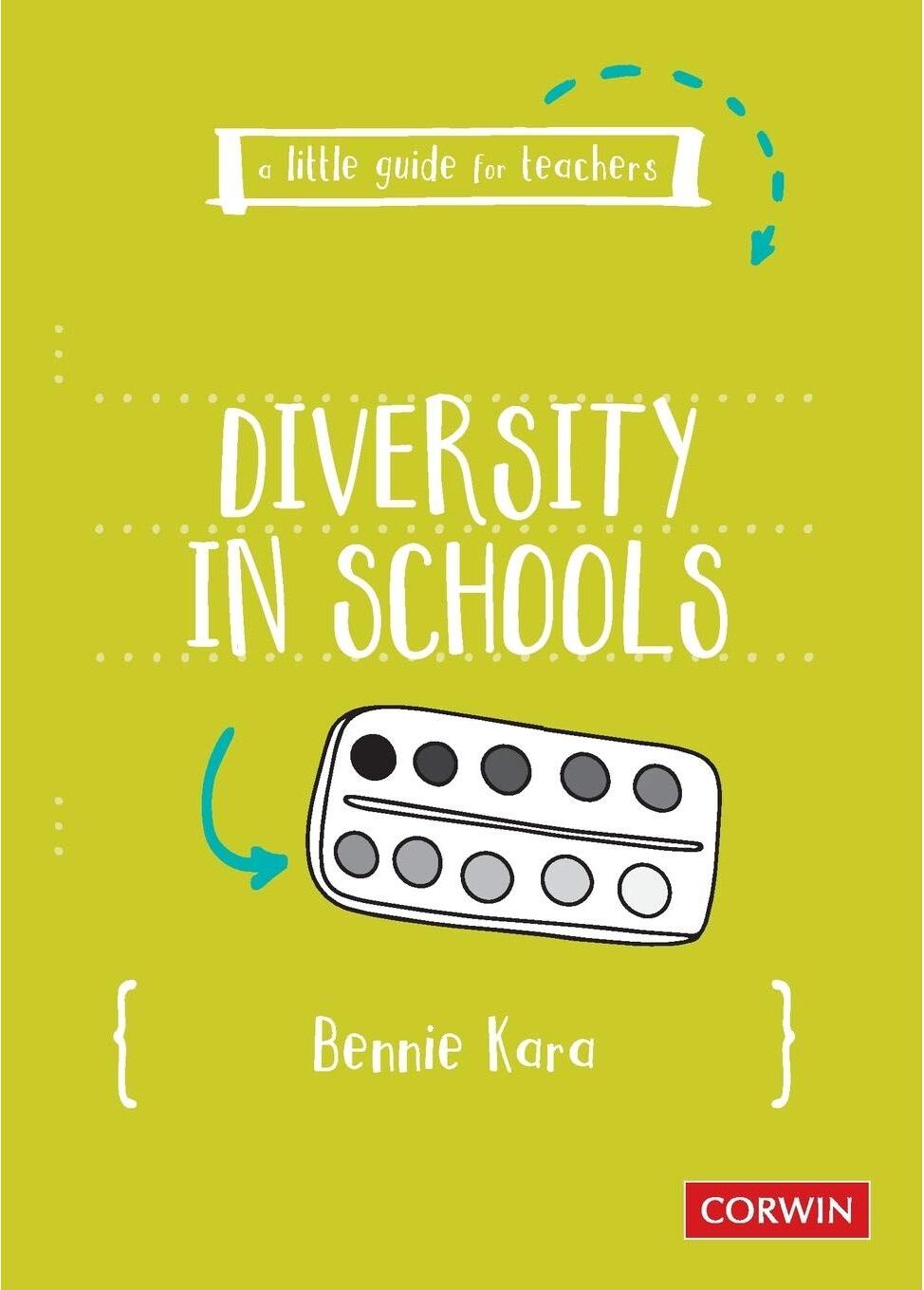
SAGE Publications A Little Guide for Teachers: Diversity in Schools (A Little Guide for Teachers)A Little Guide for Teachers: Diversity in Schools aims to provide starting points for teachers and leaders in creating a curriculum, either across disciplines or within subjects, that is as deep and diverse as their students. The Little Guide for Teachers series is little in size but BIG on all the support and inspiration you need to navigate your day to day life as a teacher. · Authored by experts in the field · Easy to dip in-and-out of · Interactive activities encourage you to write into the book and make it your own · Fun engaging illustrations throughout · Read in an afternoon or take as long as you like with it!12,99 £*Shipping: 2,99 £Secure redirect to the provider



-
What does BPM mean?
BPM stands for "beats per minute" and is a measure of the tempo or speed of a piece of music. It indicates how many beats occur in one minute of time, and is commonly used in music production and performance to communicate the pace of a song. BPM is also used in other contexts, such as in healthcare to measure heart rate, in exercise to measure workout intensity, and in business to measure process efficiency. **
-
Which songs have 125 bpm?
Some popular songs with 125 bpm include "Uptown Funk" by Mark Ronson ft. Bruno Mars, "Can't Stop the Feeling!" by Justin Timberlake, and "Shut Up and Dance" by Walk the Moon. This tempo is often associated with upbeat and energetic tracks that are perfect for dancing or working out. The consistent rhythm of 125 bpm helps create a lively and engaging feel in these songs. **
-
Which music has which BPM?
The BPM (beats per minute) of a song determines its tempo. Generally, music with a BPM of 60-90 is considered slow, such as ballads or classical music. Music with a BPM of 90-120 is considered moderate, suitable for pop or rock songs. Music with a BPM of 120-160 is considered fast, often found in dance, electronic, or hip-hop genres. **
-
What is a BPM analyzer?
A BPM (beats per minute) analyzer is a tool used to measure the tempo or speed of a piece of music. It calculates the number of beats in a minute, providing a numerical value that represents the music's rhythm. This can be useful for DJs, musicians, and music producers to accurately match the tempo of different tracks, create seamless transitions between songs, or synchronize various elements of a musical composition. BPM analyzers are often found in music production software or as standalone applications. **

Why is Reggae and Dub sometimes produced at around 130 bpm instead of 65 bpm?
Reggae and Dub music are often produced at around 130 bpm instead of 65 bpm because they are typically played in half-time. This means that the tempo feels slower than it actually is, giving the music a laid-back and relaxed feel. By doubling the tempo to 130 bpm, the music maintains its slow groove while still providing a steady beat for dancing and movement. Additionally, the faster tempo allows for more intricate drum patterns and rhythmic variations, adding depth and complexity to the music. **
How can one determine the BPM?
One can determine the BPM (beats per minute) of a song by using a metronome or a BPM counter tool. Alternatively, one can manually count the number of beats that occur in a specific time frame, such as 60 seconds, and then multiply that number by the appropriate factor to calculate the BPM. Another method is to use software or apps that can analyze the tempo of a song and provide the BPM measurement. **
Top-Angebote
Products related to BPM:
-
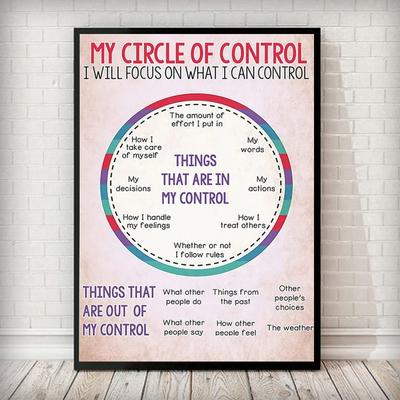
Uplifted Finds The Control Circle Archetype Social Worker Empowerment Canvas Executive Office & Wellness Sanctuary Decor 13 X 18 Cm No Frame"Inaugurate a grounding ""MindfulnessSanctuary"" energy in your environment with our ""Control Circle"" Archetype Canvas. This premium Social Worker and Mental Health professional print is the ultimate designer solution for creating a ""ClinicalModern"" or..."41,97 $*Shipping: 0,00 $Secure redirect to the provider
-
HARPERCOLLINS Creative Confidence by Tom & David Kelley – Unleashing Your Creative Potential & Innovation MindsetA powerful and inspiring book from the founders of IDEO, the award-winning design firm, on unleashing the creativity that lies within each and every one of us. Too often, companies and individuals assume that creativity and innovation are the domain of the ‘creative types’. But two of the foremost experts in innovation, design and creativity on the planet show us that each and every one of us is creative. In an entertaining and inspiring narrative that draws on countless stories from their work at IDEO, and with many of the world's top companies and design firms, David and Tom Kelley identify the principles and strategies that will allow us to tap into our creative potential in our work lives, and in our personal lives, allow us to think outside the box in terms of how we approach and solve problems. ‘Creative Confidence’ is a book that will help each of us be more productive and successful in our lives and in our careers.4,95 £*Shipping: 1,99 £Secure redirect to the provider
-
SAGE Publications A Little Guide for Teachers: Diversity in Schools (A Little Guide for Teachers)A Little Guide for Teachers: Diversity in Schools aims to provide starting points for teachers and leaders in creating a curriculum, either across disciplines or within subjects, that is as deep and diverse as their students. The Little Guide for Teachers series is little in size but BIG on all the support and inspiration you need to navigate your day to day life as a teacher. · Authored by experts in the field · Easy to dip in-and-out of · Interactive activities encourage you to write into the book and make it your own · Fun engaging illustrations throughout · Read in an afternoon or take as long as you like with it!12,99 £*Shipping: 2,99 £Secure redirect to the provider
-
What is BPM?
BPM stands for Business Process Management, which is a systematic approach to improving an organization's processes in order to achieve better efficiency, effectiveness, and adaptability. It involves analyzing, designing, implementing, and continuously improving business processes to meet the organization's goals. BPM often involves the use of technology to automate and streamline processes, as well as the use of data and analytics to monitor and optimize performance. Overall, BPM is a holistic approach to managing and improving business processes to drive better outcomes for the organization. **
-
'How many BPM?'
The number of beats per minute (BPM) can vary depending on the context. In music, BPM typically ranges from 60 to 200, with slower tempos for ballads and faster tempos for dance music. In terms of heart rate, a normal resting heart rate for adults is between 60-100 BPM, with lower rates for athletes and higher rates during exercise. Overall, the specific BPM will depend on the specific situation and context. **
-
What does BPM mean?
BPM stands for "beats per minute" and is a measure of the tempo or speed of a piece of music. It indicates how many beats occur in one minute of time, and is commonly used in music production and performance to communicate the pace of a song. BPM is also used in other contexts, such as in healthcare to measure heart rate, in exercise to measure workout intensity, and in business to measure process efficiency. **
-
Which songs have 125 bpm?
Some popular songs with 125 bpm include "Uptown Funk" by Mark Ronson ft. Bruno Mars, "Can't Stop the Feeling!" by Justin Timberlake, and "Shut Up and Dance" by Walk the Moon. This tempo is often associated with upbeat and energetic tracks that are perfect for dancing or working out. The consistent rhythm of 125 bpm helps create a lively and engaging feel in these songs. **
Similar search terms for BPM
-
Testo Hose Connection SetHose connection set for separate gas pressure measurement testo 327 / testo 330-LL. With the pressure connection set, the flue gas measuring instruments testo 330 LL and testo 320 can be used for the measurement of gas or air pressure. The hoses are attached to the test nipples at the measurement site, and connected to the flue gas measuring instrument via the measuring instrument adapter.35,70 £*Shipping: 5,00 £Secure redirect to the provider
-
Simple Living Connection DeskThe Connection Desk by Simple Living gives you space for productivity in an attractive package. Crafted with metal legs and a laminated MDF desk top, this desk has a sleek contemporary design that will enhance your home office.79,99 $*Shipping: 0,00 $Secure redirect to the provider
-
Which music has which BPM?
The BPM (beats per minute) of a song determines its tempo. Generally, music with a BPM of 60-90 is considered slow, such as ballads or classical music. Music with a BPM of 90-120 is considered moderate, suitable for pop or rock songs. Music with a BPM of 120-160 is considered fast, often found in dance, electronic, or hip-hop genres. **
-
What is a BPM analyzer?
A BPM (beats per minute) analyzer is a tool used to measure the tempo or speed of a piece of music. It calculates the number of beats in a minute, providing a numerical value that represents the music's rhythm. This can be useful for DJs, musicians, and music producers to accurately match the tempo of different tracks, create seamless transitions between songs, or synchronize various elements of a musical composition. BPM analyzers are often found in music production software or as standalone applications. **
-
Why is Reggae and Dub sometimes produced at around 130 bpm instead of 65 bpm?
Reggae and Dub music are often produced at around 130 bpm instead of 65 bpm because they are typically played in half-time. This means that the tempo feels slower than it actually is, giving the music a laid-back and relaxed feel. By doubling the tempo to 130 bpm, the music maintains its slow groove while still providing a steady beat for dancing and movement. Additionally, the faster tempo allows for more intricate drum patterns and rhythmic variations, adding depth and complexity to the music. **
-
How can one determine the BPM?
One can determine the BPM (beats per minute) of a song by using a metronome or a BPM counter tool. Alternatively, one can manually count the number of beats that occur in a specific time frame, such as 60 seconds, and then multiply that number by the appropriate factor to calculate the BPM. Another method is to use software or apps that can analyze the tempo of a song and provide the BPM measurement. **
* All prices are inclusive of VAT and, if applicable, plus shipping costs. The offer information is based on the details provided by the respective shop and is updated through automated processes. Real-time updates do not occur, so deviations can occur in individual cases. ** Note: Parts of this content were created by AI.